
Brighton Abandoned Places People Still Explore Today
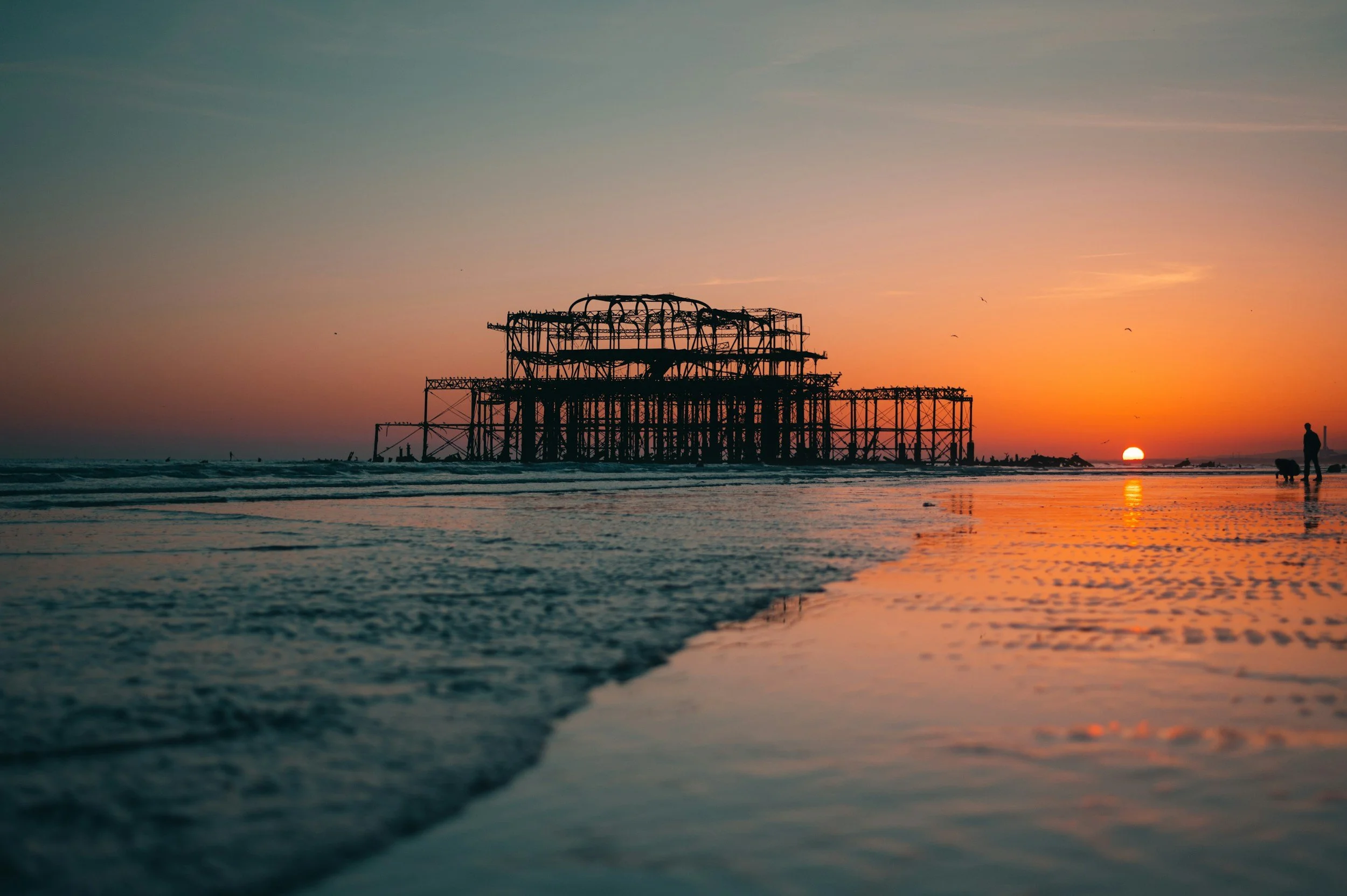
Brighton’s abandoned West Pier remains one of the city’s most photographed landmarks.
From forgotten buildings to hidden tunnels and empty seafront locations, Brighton still has abandoned places that continue to fascinate locals, photographers and urban explorers across the city.
Brighton is famous for its busy seafront, nightlife and historic streets, but scattered across the city are abandoned locations that many people walk past without even noticing.
Over the years, old buildings, empty hotels, underground tunnels and forgotten structures have become part of Brighton’s urban history. Some have been left untouched for decades, while others continue to attract photographers, explorers and people interested in Brighton’s hidden side.
Searches for abandoned places in Brighton continue to grow online, especially among people interested in photography, history and urban exploration.
West Pier
The remains of Brighton’s West Pier are easily the city’s most famous abandoned structure.
Originally opened in 1866, the pier became one of Brighton’s biggest attractions before closing to the public in 1975 because of safety concerns and structural damage.
After suffering major fires in 2003, much of the pier collapsed into the sea, leaving behind the skeletal remains that still stand off Brighton seafront today.
Despite being abandoned for decades, the West Pier remains one of the most photographed places in Brighton and continues to attract visitors from around the world.
Location: Kings Road, Brighton Seafront
Brighton Underground Tunnels
Beneath parts of Brighton and Hove lies a network of old tunnels and underground spaces dating back to the Victorian era.
Some tunnels were originally used for drainage systems, utilities and service routes, while others became linked to rumours involving smugglers and hidden passageways beneath the city.
Urban explorers have documented blocked entrances and forgotten underground spaces around Brighton Station, the seafront and older parts of the city, although most areas remain inaccessible for safety reasons.
The mystery surrounding Brighton’s underground tunnels continues to fuel online discussions and local curiosity.
Madeira Terrace
Madeira Terrace has become one of Brighton’s most talked-about restoration projects.
Built during the Victorian era, the historic seafront structure stretches along Madeira Drive and was once filled with cafés, shelters and entertainment spaces overlooking the beach.
Large sections were closed to the public because of structural concerns, leaving parts of the terrace abandoned for years while restoration plans continue.
The rusting Victorian ironwork and empty sections of the terrace have become symbolic of Brighton’s changing seafront history.
Location: Madeira Drive, Brighton
Preston Barracks
Before redevelopment projects transformed the area, Preston Barracks became known locally for its abandoned military buildings and empty training spaces.
Originally connected to British Army operations during the 19th century, parts of the site later fell into disuse before major redevelopment began in the area.
For years, the location attracted photographers and urban explorers interested in Brighton’s forgotten buildings and military history.
Location: Lewes Road, Brighton
Abandoned Hotels And Guesthouses
Brighton’s tourism industry has changed dramatically over the years, leaving behind empty guesthouses and closed hotels across parts of the city.
Some older Victorian buildings near the seafront have remained empty for years before redevelopment or renovation work eventually begins.
Others have become temporary locations for film projects, artists or redevelopment proposals.
The contrast between Brighton’s busy tourism industry and its empty buildings continues to fascinate both locals and visitors.
Why Brighton’s Abandoned Places Fascinate People
Part of Brighton’s appeal has always been its mix of history, creativity and hidden stories.
The city expanded rapidly during the Victorian era, creating thousands of buildings, tunnels and public spaces that changed dramatically over time.
As Brighton evolved, some places were restored while others were forgotten, abandoned or left hidden beneath the modern city.
Today, abandoned locations continue to attract photographers, historians and curious locals interested in exploring Brighton beyond the usual tourist attractions.
