More than 1,400 council homes in Brighton and Hove switch to solar power
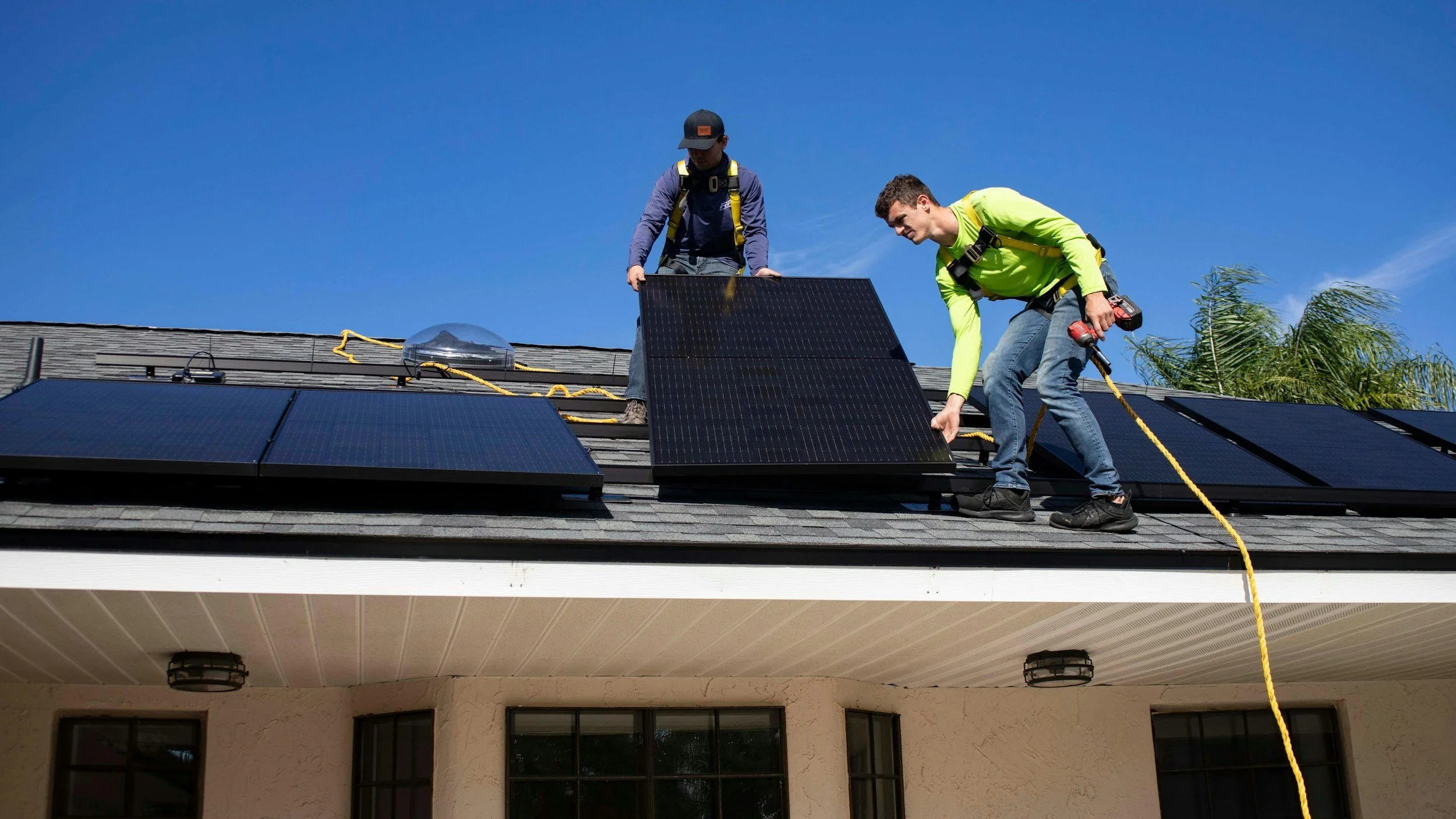
Solar panels being fitted as part of Brighton and Hove's council housing programme
More than 1,400 council homes across Brighton and Hove now have solar panels on their roofs, after a three-year installation programme wrapped up this summer. For many households, it means real savings on bills, and it comes as the city grapples with some of the highest fuel poverty rates in the south east.
The programme targeted council-rented houses and bungalows with the lowest energy efficiency ratings, prioritising homes with electric heating and areas of the city where fuel poverty is more likely. Brighton and Hove City Council says residents could save up to £300 a year on their electricity bills as a result.
How the free electricity actually works
The panels are wired directly into each home, giving residents free electricity whenever the panels are generating power, even on a cloudy day. Direct sunlight isn't required, though the stronger the sunshine, the more power is produced.
A programme years in the making
The council's solar rollout on housing stock has been building steadily since well before this latest milestone, part of its wider drive to be carbon neutral by 2030 and to bring down bills in a city where fuel poverty runs above the national average.
"Energy costs are understandably a big concern for many residents, and this huge programme of solar panel installations is bringing benefits for households across the city. Feedback from residents has been positive, with many noticing a difference in their energy bills and making changes to their routine to run appliances when the solar panels are generating most electricity."
Councillor Gill Williams, Cabinet Member for Housing
A community hall gets its own panels too
The project has reached beyond council housing. Sureserve Energy Services, the contractor behind the installation work, fitted a solar panel system at St George's Hall in Moulsecoomb in July, provided as a social value benefit of its contract with the council. The hall is part of the Climate for Communities partnership, a network of community, voluntary and social enterprise organisations working with local people to take action on the climate emergency.
"One of our dreams for St George's Hall was to get solar panels and it is amazing to now have them installed, we are over the moon. We will be saving on our energy bills and it will help to make our community hall more sustainable, both financially and environmentally. Thank you to everyone involved in making this happen!"
Nicky Mullee, manager of St George's Hall
Why it matters for the city
Brighton and Hove owns more than 12,000 homes, and an estimated 13.2 per cent of households in the city, more than 16,500, are living in fuel poverty, above both the national and south east averages. The council's Fuel Poverty and Affordable Warmth Plan names improving home energy efficiency and increasing access to cheaper, lower carbon energy as a core objective, alongside its target of reaching carbon neutrality across the city by 2030.
The solar programme sits alongside other work on council housing, including boiler upgrades and a trial of air source heat pumps, as the council looks to bring its older, less efficient stock closer to modern standards without waiting for residents to bear the cost themselves.
This article is based on a Brighton and Hove City Council press release sent to ImJustBrighton via Vuelio. For the latest Brighton and Hove news, visit ImJustBrighton.
Read next Brighton Wheel could return to the eastern seafront