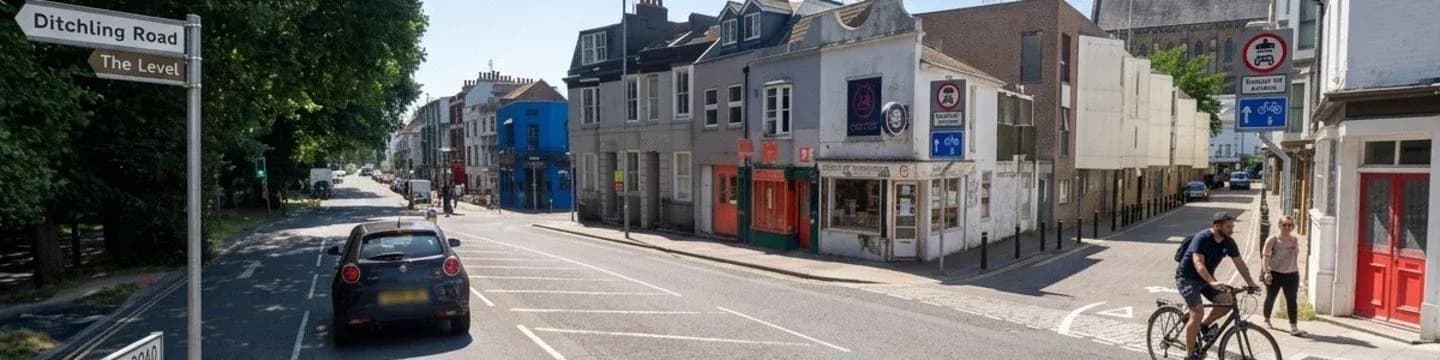
Update, 15 November 2026: Cabinet approved camera enforcement at all five locations on 12 November. Read the decision, the location-by-location results and the cost. This article is the preview published before the meeting.
Brighton & Hove City Council's Cabinet was asked on Thursday 12 November to approve camera enforcement at five busy junctions, after a six-week public consultation that drew 704 responses, 403 of them in favour, according to the council's Cabinet papers and a statement issued on 6 November 2026.
Brighton & Hove City Council has been granted Moving Traffic Enforcement (MTE) powers by the Department for Transport under Part 6 of the Traffic Management Act 2004. These powers allow councils to use camera technology to enforce existing traffic restrictions, such as banned turns, one-way streets and vehicle access restrictions, without needing an officer on site.
The consultation, on whether to introduce enforcement cameras at five locations where compliance with existing restrictions has been poor and, in some cases, has led to collisions, has now closed.
"The safety of residents and road users is our top priority. These proposals would help us enforce existing traffic restrictions more effectively and encourage safer driving across the city. Traffic regulations are there for a reason, to protect people and reduce the risk of collisions and conflict between different road users."
Councillor Trevor Muten, Cabinet member for Transport and City Infrastructure
The council says the policy Cabinet will consider takes a targeted, evidence-led approach, with enforcement only introduced where there is clear evidence of safety concerns, congestion or repeated non-compliance. It also includes public consultation, awareness raising and warning periods before penalties are issued.
"Evidence led enforcement will help make our roads safer and ensure existing traffic restrictions are respected."
Councillor Trevor Muten, Cabinet member for Transport and City Infrastructure
Cabinet is also being asked to approve the council's Moving Traffic Enforcement policy and to let the Corporate Director for City Operations approve future locations, in consultation with the Cabinet member for transport.
What the consultation found
The consultation ran from 18 August to 28 September 2026. In total, 377 people responded. Because each person could comment on more than one junction, that produced 704 location-specific responses: 403 in favour, 253 against, 24 neutral and 24 with no rating. At every junction, more responses were in favour than against.
The council says people who backed the plan pointed to road safety, protecting pedestrians and other vulnerable road users, compliance with existing restrictions and less congestion. Those with concerns raised signage and road markings, access for residents, businesses and other permitted users, and privacy and the use of cameras. The council says its cameras follow strict data protection rules and are only used for enforcement.
Residents will be able to ask for their homes to be blurred in view of the number plate recognition cameras, according to the council's equality impact assessment.
The five proposed locations
No entry
Carden Avenue onto Carden Crescent
Carden Crescent is one-way. Road markings and a No Entry sign show that vehicles must not turn from Carden Crescent onto Carden Avenue, but drivers continue to ignore the restriction, creating risks for vehicles travelling correctly.
Consultation and evidence. 68 of 124 responses (54.8%) were in favour and 49 (39.5%) against. The council recorded 92 contraventions in a single week of monitoring in early 2026.

The No Entry sign at Carden Crescent onto Carden Avenue, one of five junctions proposed for camera enforcement
No left turn
London Road onto New England Road
A left turn is banned from London Road onto New England Road. This location saw a collision between two vehicles on 30 September 2025, and drivers continue to make the prohibited turn despite the restriction.
Consultation and evidence. 61 of 129 responses (47.3%) were in favour and 56 (43.4%) against, the closest result of the five. The council recorded 25 contraventions in one week.
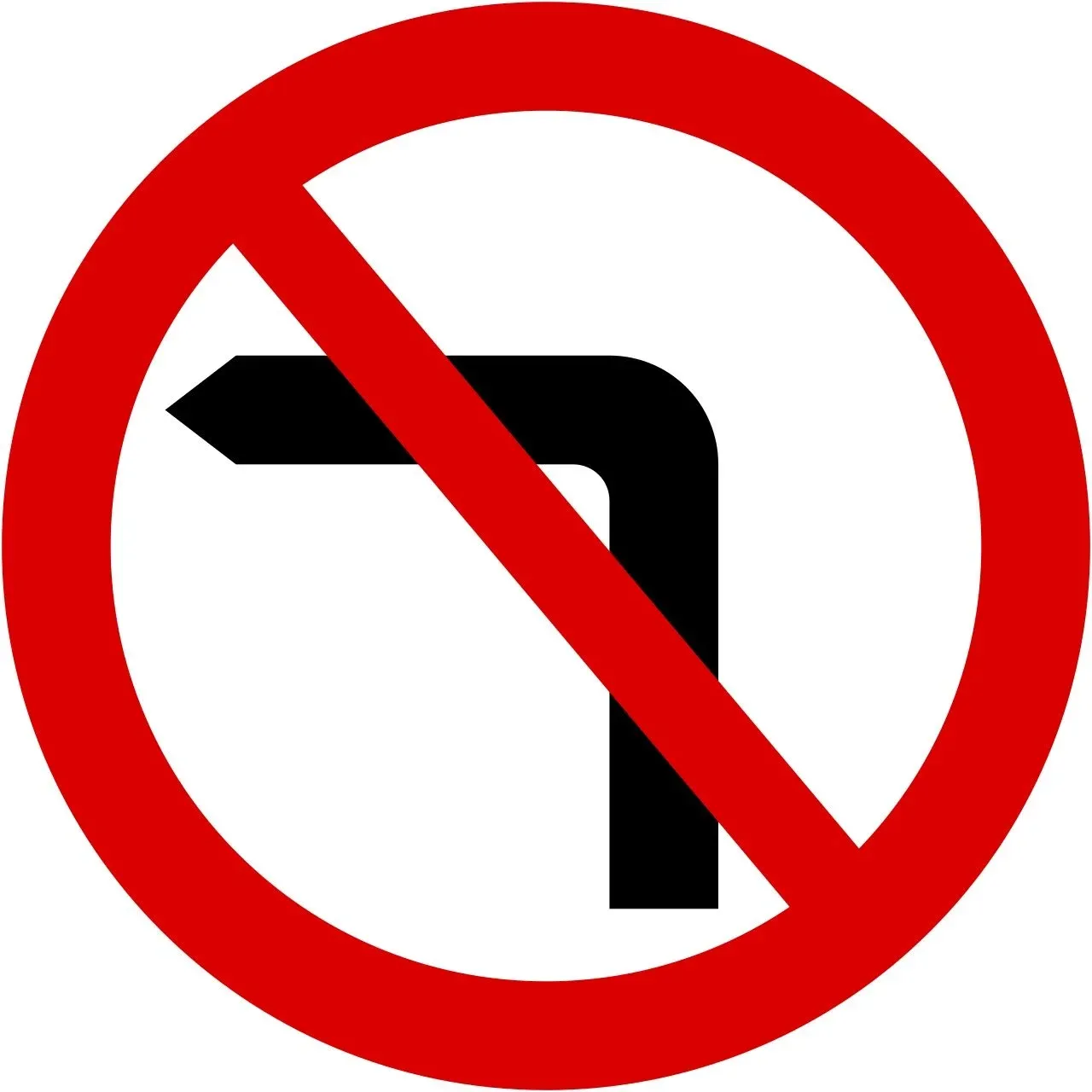
The prohibited left turn from London Road onto New England Road, one of five junctions proposed for camera enforcement
No left turn
Ditchling Road onto Baker Street
A left turn is banned from Ditchling Road into Baker Street. A collision involving a pedestrian and a car happened here in December 2024, and drivers continue to make the prohibited movement, creating risks for other road users.
Consultation and evidence. 56 of 112 responses (50.0%) were in favour and 47 (42.0%) against. The council recorded 57 contraventions in one week.
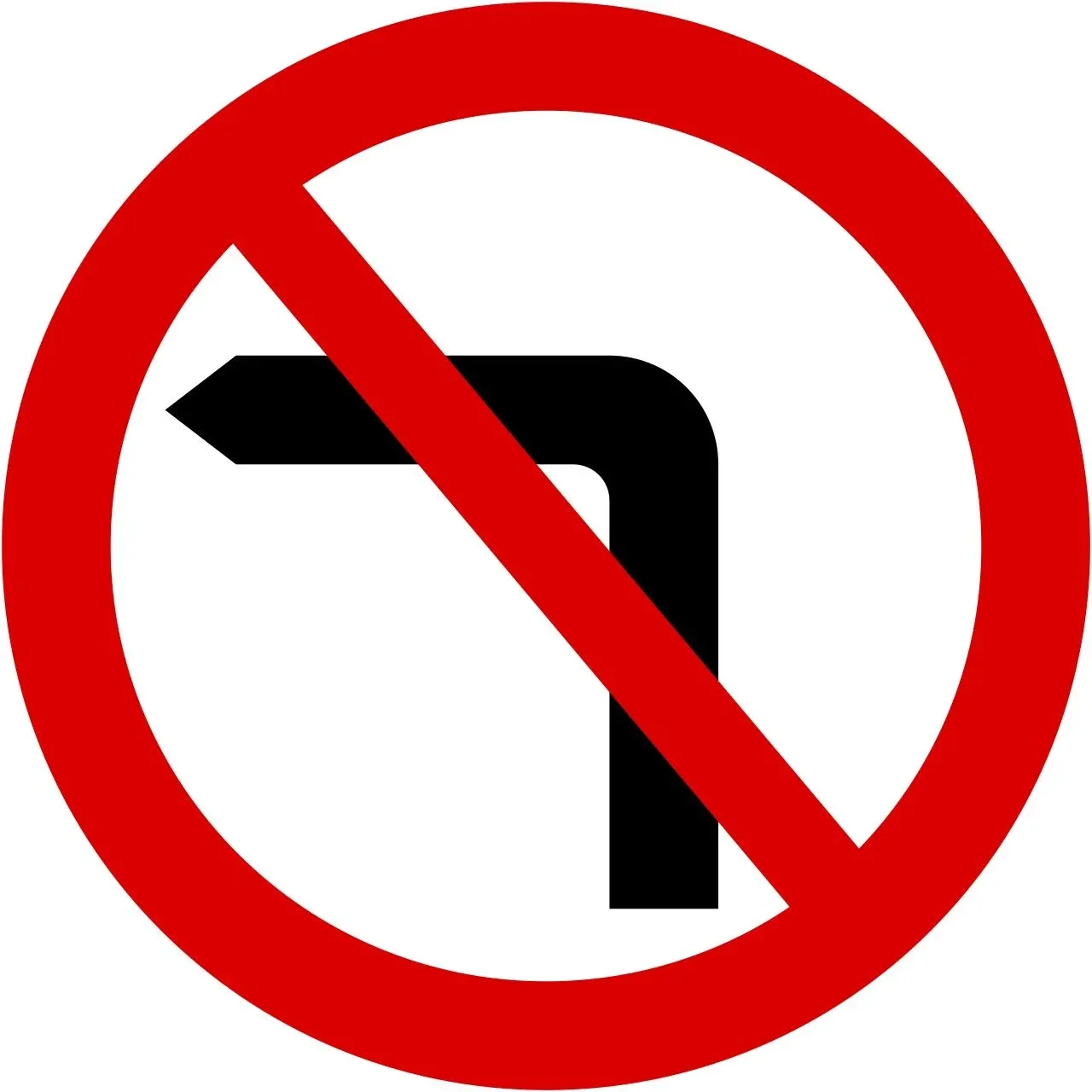
The prohibited left turn from Ditchling Road onto Baker Street, one of five junctions proposed for camera enforcement
No right turn
West Street onto Rottingdean High Street
A right turn is banned from West Street onto Rottingdean High Street, and drivers must turn left instead. Evidence shows some drivers continue to ignore the restriction, creating safety concerns for all road users.
Consultation and evidence. 148 of 206 responses (71.8%) were in favour and 49 (23.8%) against, the strongest support of the five. The council recorded 175 contraventions in one week.
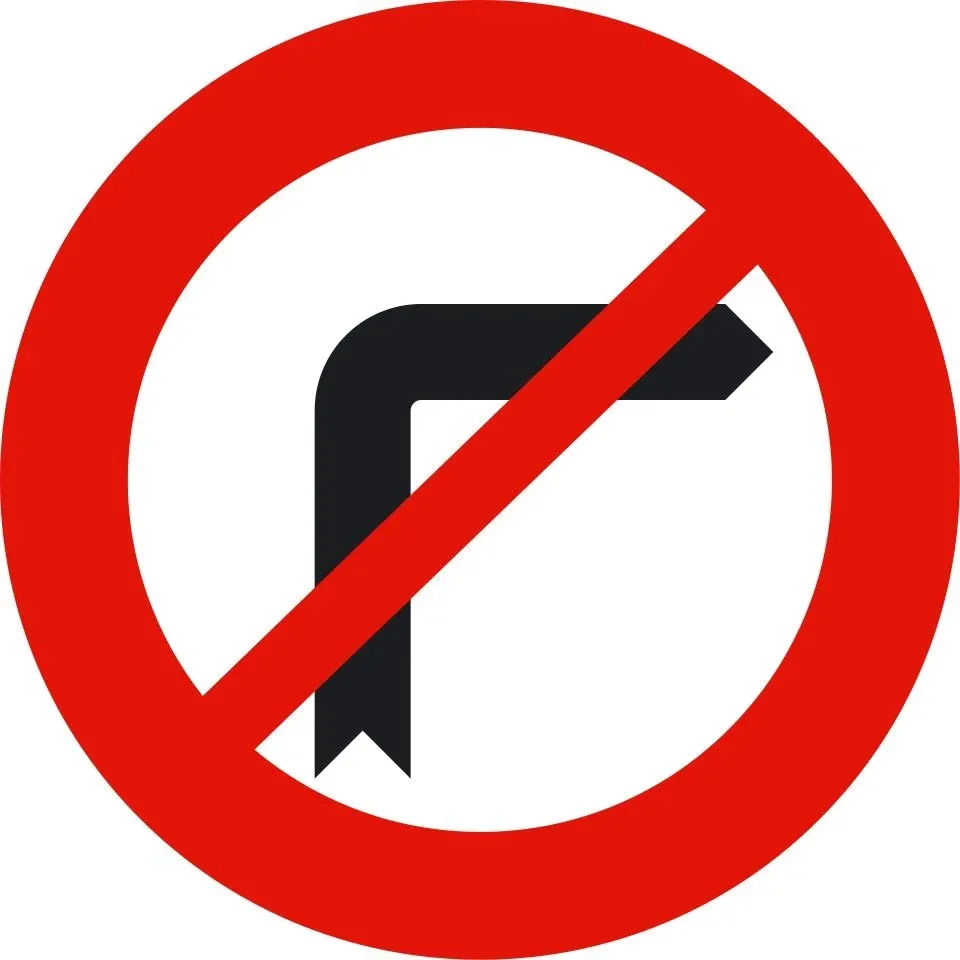
The prohibited right turn from West Street onto Rottingdean High Street, one of five junctions proposed for camera enforcement
Access only
Ditchling Road onto Francis Street
Francis Street is access-only, meaning drivers should not use it as a through route. A collision was recorded here in November 2025, and vehicles continue to use the street without needing access, undermining the restriction.
Consultation and evidence. 70 of 133 responses (52.6%) were in favour and 52 (39.1%) against. The council says the street has been used as a shortcut to London Road, and that the collision in November 2025 involved a vehicle and a pedestrian. Traders will still be able to reach Francis Street for the open market, and no permit system is planned.
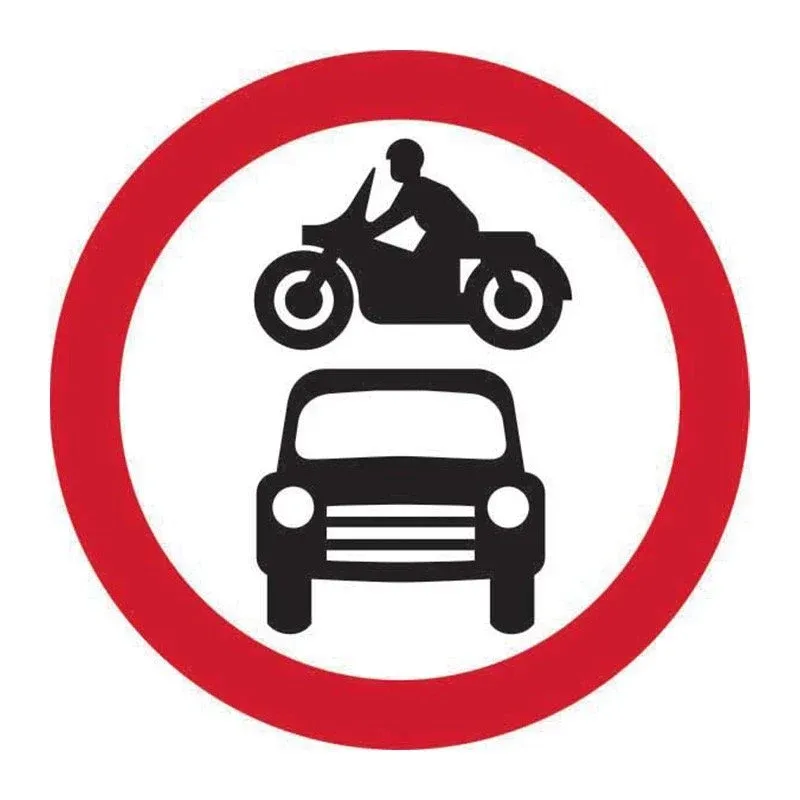
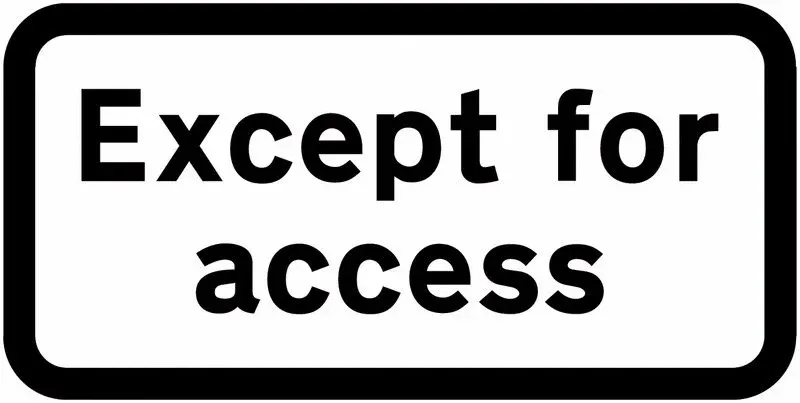
The access-only restriction on Francis Street, one of five junctions proposed for camera enforcement
A pilot at three School Streets too
Using the same powers, the council has separately been piloting camera enforcement at three of the city's School Streets since 2 September 2026: Hangleton Primary (Northease Drive and Dale View), Hove Junior/West Hove Infants (School Road and Marmion Road), and Queen's Park Primary (Freshfield Place). School Streets restrict traffic outside schools from 8.15am to 9.15am and 2.45pm to 3.45pm on term days only, and drivers needing access during a camera-enforced window will need to apply for a virtual permit in advance. Councillor Muten said the council has already seen significant improvements in compliance at its School Streets sites. The Cabinet papers say contravention observations fell from a peak of 894 in the week starting 7 September to 693 two weeks later, a drop of 22.5%, before enforcement began.
How enforcement would work
Enforcement would use automatic number plate recognition cameras. The Cabinet papers put the cost of installing cameras at all five sites at £94,000, to be funded from the council's CCTV capital programme, which is paid for by borrowing, with running costs met from existing parking budgets.
There would be a six-month warning period. During it, the first contravention at each enforced location brings a warning notice, with a link for the registered keeper to view footage of what happened. Any later contravention can lead to a Penalty Charge Notice of £70, reduced to £35 if paid within 21 days, figures set nationally rather than by the council. If Cabinet approves the locations, enforcement at the five junctions could begin in early 2027.
Under the policy, enforcement is only considered once the correct traffic order, signs and road markings are in place and after other measures such as clearer signage have been looked at. A site also needs police-recorded collision data or evidence of persistent illegal movements likely to cause safety problems or congestion. Officers consult the Chief of Police and hold a six-week public consultation first, and sites are reviewed every year, with cameras potentially moved where compliance improves.
More information
More on MTE → School Term Dates →
Cabinet met on Thursday 12 November and approved the five locations, subject to call-in. Our full report on the approval has the decision details. The agenda and reports are published on the council's website.

Comments
No comments yet. Start the conversation.