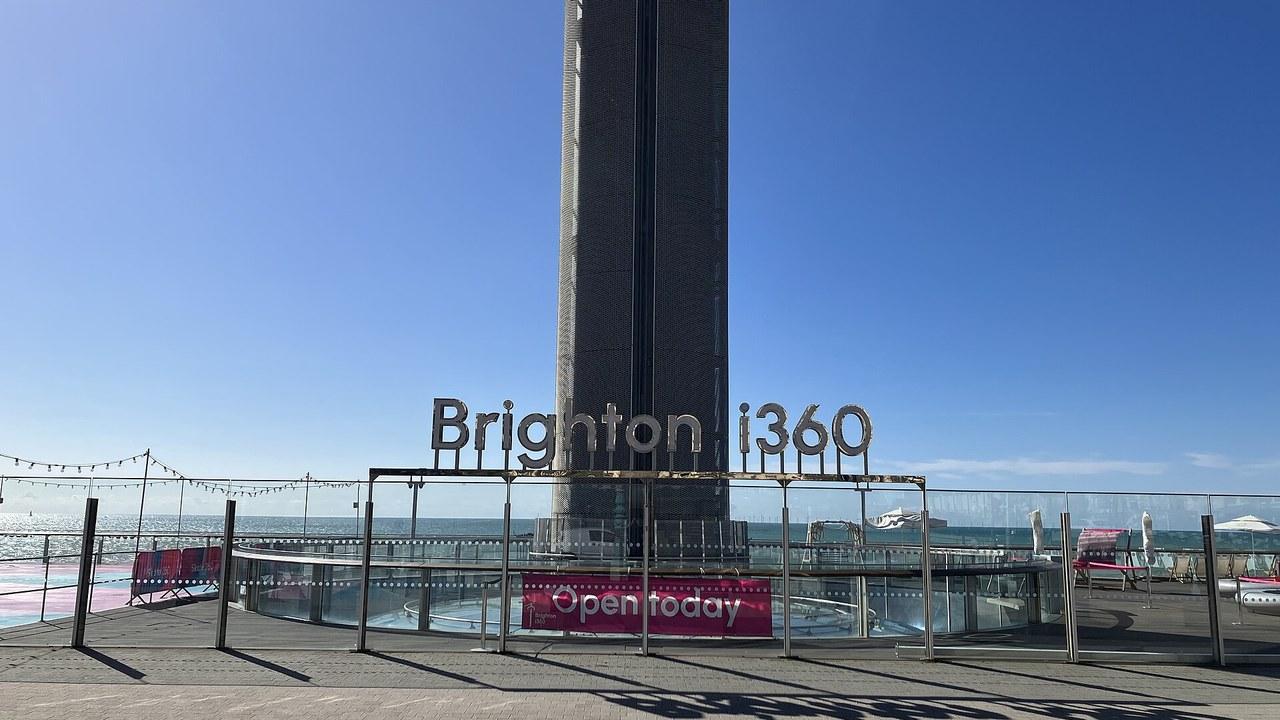
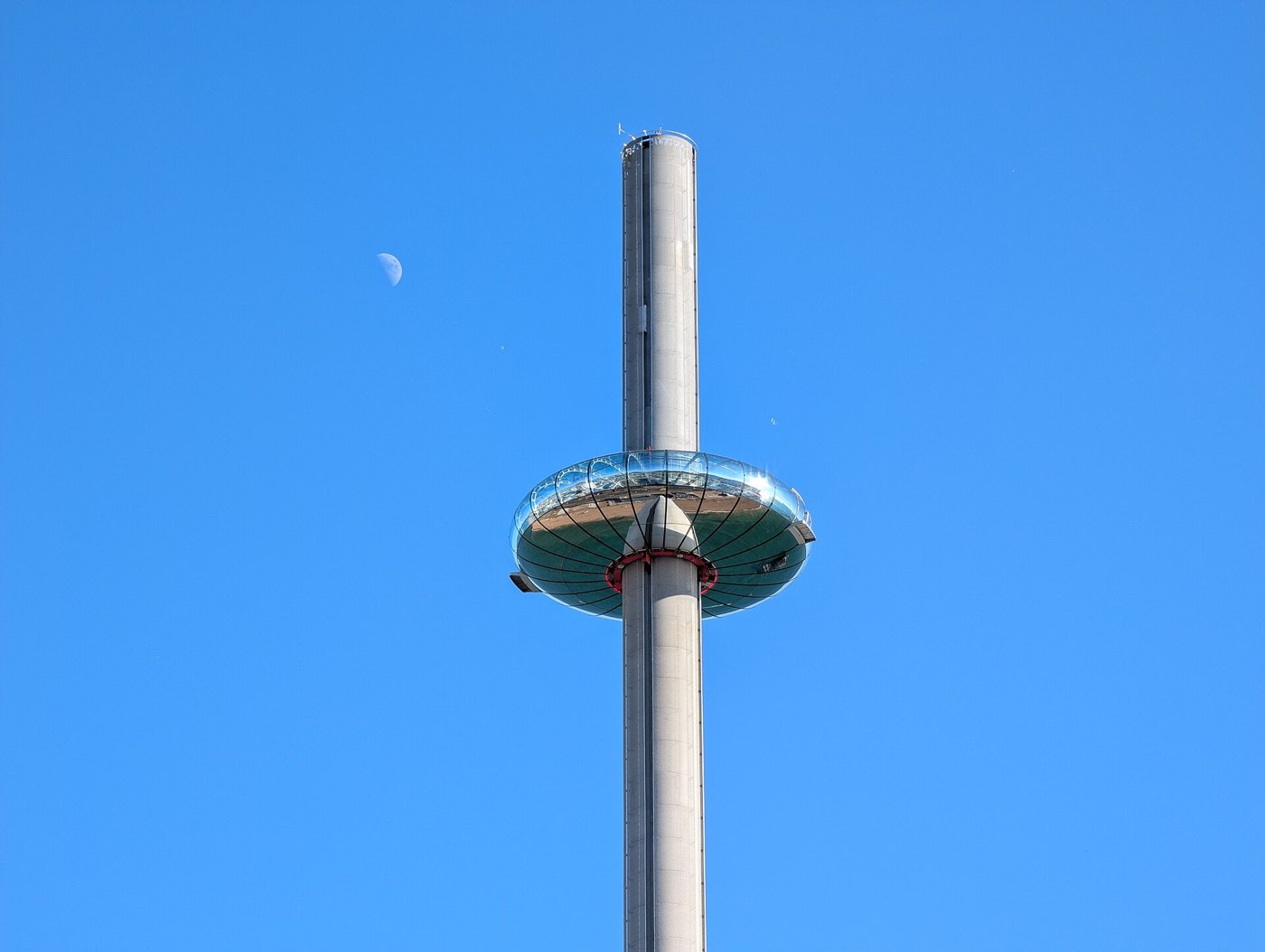
The business plan behind the Brighton i360 suffered from "optimism bias" from the start, with visitor numbers forecast at around three times what the attraction actually achieved, an independent review for Brighton and Hove City Council has found.
The lessons learnt report, written by the Chartered Institute of Public Finance and Accountancy (CIPFA), goes before the council's Audit, Standards and General Purposes Committee at a special meeting on Tuesday 24 November 2026 at 4pm in the Council Chamber at Hove Town Hall. Councillors are asked to note it.
According to the council's covering report, the council lost £51 million owed to it when Brighton i360 went into administration. That total is made up of the original loans, extra loans transferred to the council and interest that had built up and not been repaid, rather than £51 million in cash handed over. The council is still paying back the money it borrowed from the Public Works Loan Board, with repayments running until 2041.
Forecast 800,000 visitors a year, got about 270,000
The original business plan was written in 2012. It forecast between 700,000 and 800,000 visitors a year, with 798,374 paying visitors in the first year. A 2014 review by D & J Consulting recommended a first-year figure of 822,584.
In reality, the report says, the attraction averaged around 270,000 visitors a year. CIPFA says the plan assumed the i360 would attract 3.6 to 4% of the local and tourist population, which it calls an overestimate, alongside global shocks such as the Covid-19 pandemic that the plan had no way of mitigating.
The money side was "overly ambitious" too. The plan expected £11.7 million in revenue and £6.7 million in earnings before interest, tax, depreciation and amortisation in the first year, enough to run the attraction and pay back the £36 million loan from the council. Spending per visitor, including at the Sky Bar and on merchandise, also fell short.
"The Brighton i360 business plan demonstrated optimism bias, a common cognitive and planning pitfall in large infrastructure and public sector projects." CIPFA, Brighton i360 Lessons Learnt
CIPFA says a standard optimism bias adjustment would have put first-year visitors closer to 500,000 and first-year earnings at around £5 million, which "may have flagged early concerns about loan repayment capacity".
Compared with the Eiffel Tower instead of Blackpool Tower
The report says the plan used figures from world-famous attractions, including the London Eye, the Eiffel Tower, the CN Tower and the Empire State Building, to work out how many people would visit. CIPFA says these "bear little resemblance" to Brighton and the plan should have focused on UK attractions such as the Spinnaker Tower in Portsmouth, Blackpool Tower and SEA LIFE Brighton.
What else went wrong, according to the report
Risk. The project's risk register was well organised, but did not properly cover the chance of the i360 company failing to repay its loans, even though the council stayed liable for its own repayments to central government.
Testing. The plan relied heavily on one main scenario. A 50% drop in visitors was modelled, but there was no realistic worst case and no proper stress test of whether the loan could still be paid.
Oversight. After opening there was limited use of rolling forecasts, targets or structured reviews, and the report says early warning signs were missed. Roles were not always clear and communication between the council and its partners was inconsistent.
Skills. CIPFA says councils were encouraged to act more like businesses at the time but often lacked the commercial skills to do it. It also says the i360 company's leadership plan made no mention of a finance director or chief financial officer.
What the report says went right
CIPFA says the idea, a smaller and cheaper version of the London Eye in one of the UK's most visited cities, was "fundamentally sound". The i360 was delivered on time and within its construction budget, and the report says it has been reported to have supported around 450 jobs and nearly £30 million a year for Brighton's economy.
11 lessons for future council projects
The report ends with 11 recommendations for future projects. They include building in optimism bias adjustments, testing best, middle and worst cases, comparing plans with similar UK attractions, getting more than one independent check on demand, stress testing finances, reviewing performance regularly after launch, and making sure any partner company has proper financial leadership.
The council's covering report, by the Director Property and Finance, says understanding and acting on the lessons is "a key part of reducing future risks" in council projects. The full papers are on the council's committee website.

Comments
There are no comments on this story.
Comments are closed on this story.