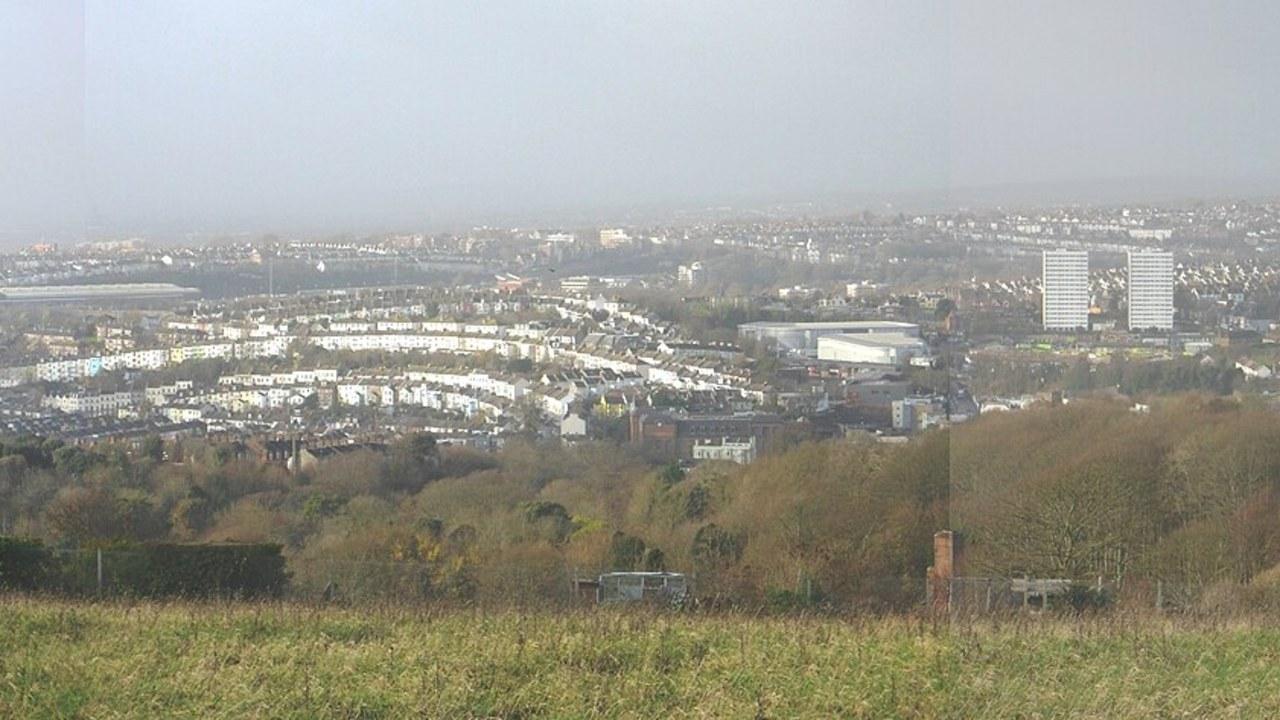
Brighton and Hove City Council's Cabinet agreed a three-year plan on Thursday 12 November 2026 to bring up to 500 temporary accommodation homes under council control from April 2027.
The council says 2,358 households were living in temporary accommodation in October 2026 and that demand is forecast to keep rising without action. We set out the figures behind the plan in our earlier report on the 500-home proposal.
What Cabinet was asked to approve
The report to Cabinet asked councillors to:
- approve the Temporary Accommodation Supply Programme, delivering up to 500 homes from April 2027 through a mix of buying homes and long leases
- agree £110,000 to prepare the business case for a bulk leasing programme
- note that a further report on the new leasing arrangements will come back to a future Cabinet meeting
- let senior officers agree purchases worth between £500,000 and £10 million in consultation with Cabinet members, with the finance lead and finance director also consulted above £3 million
- agree an extra £24.324 million in the Housing Revenue Account budget to keep buying back properties in 2026/27
The council says councillors agreed the plan at the meeting.
Why the council says it is needed
The council says the aim is to move away from expensive accommodation sourced from outside providers and towards homes it controls, with better quality and more stability for the households living in them.
It says spot-purchased accommodation, the nightly-paid kind, has already fallen from 26% of its temporary accommodation in January 2026 to 16% in September 2026. The Cabinet report says the programme should bring that closer to zero over the council's medium-term financial plan.
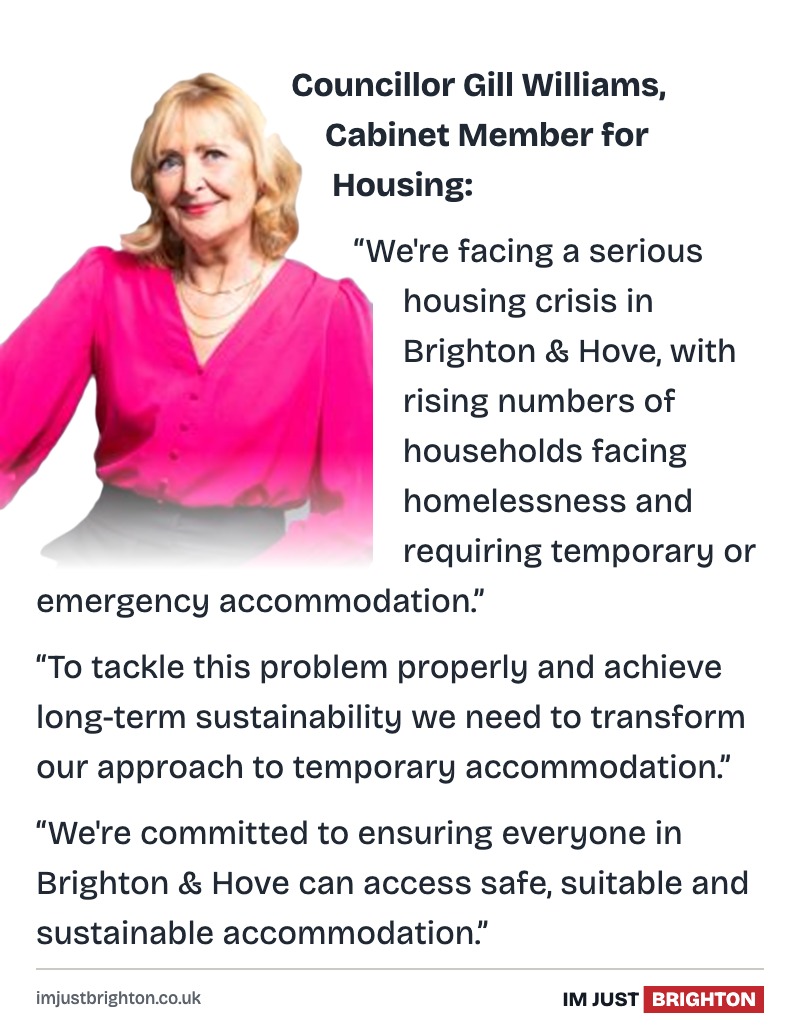
Councillor Williams also said the council had seen reductions this year in the proportion of households in nightly-paid and out-of-area temporary accommodation, and expected more households to have their homelessness prevented.
How it would be paid for
At the People Overview and Scrutiny Committee on 10 November, the council said new purchases would be funded through General Fund borrowing, backed by a business case showing the savings from replacing more expensive accommodation.
It said the council has been awarded £16.4 million through the government's Local Authority Housing Fund over four phases, and that the current phase will provide 46 homes over the next four years through buybacks, conversions and new build.
The council also said Exceptional Financial Support is not being used to fund the purchases.
What scrutiny councillors asked
The committee's draft minutes, published with the Cabinet papers, record the questions councillors put two days before the decision.
- Timing. Councillor Sue Shanks said the committee could not change the policy with the report going to Cabinet that week, and that items should come to scrutiny earlier. The chair said she did not disagree.
- Rents and leases. Officers said rents would be set at the local housing allowance rate, the council would maintain the homes, and leases would run for 10 years.
- Location. Officers said all 500 homes would be within the city.
- Council homes used as temporary accommodation. Officers said up to 180 general council homes are being used as a short-term measure, with more than 100 used so far, and that this is due to end by May 2027 or when 180 homes have been used.
- Community view. A Community Works representative said there was broad support from the community and voluntary sector, and that homes should be chosen on residents' needs as well as cost.
What happens next
The leasing arrangements need a further Cabinet decision. The council says it is also developing an Accelerating Move On Strategy to cut the time households spend in temporary accommodation and increase moves into settled homes.
The Cabinet papers are on the council's meeting page.


Comments
No comments yet. Start the conversation.