Government Approves Brighton and Hove's Local SEND Reform Plan
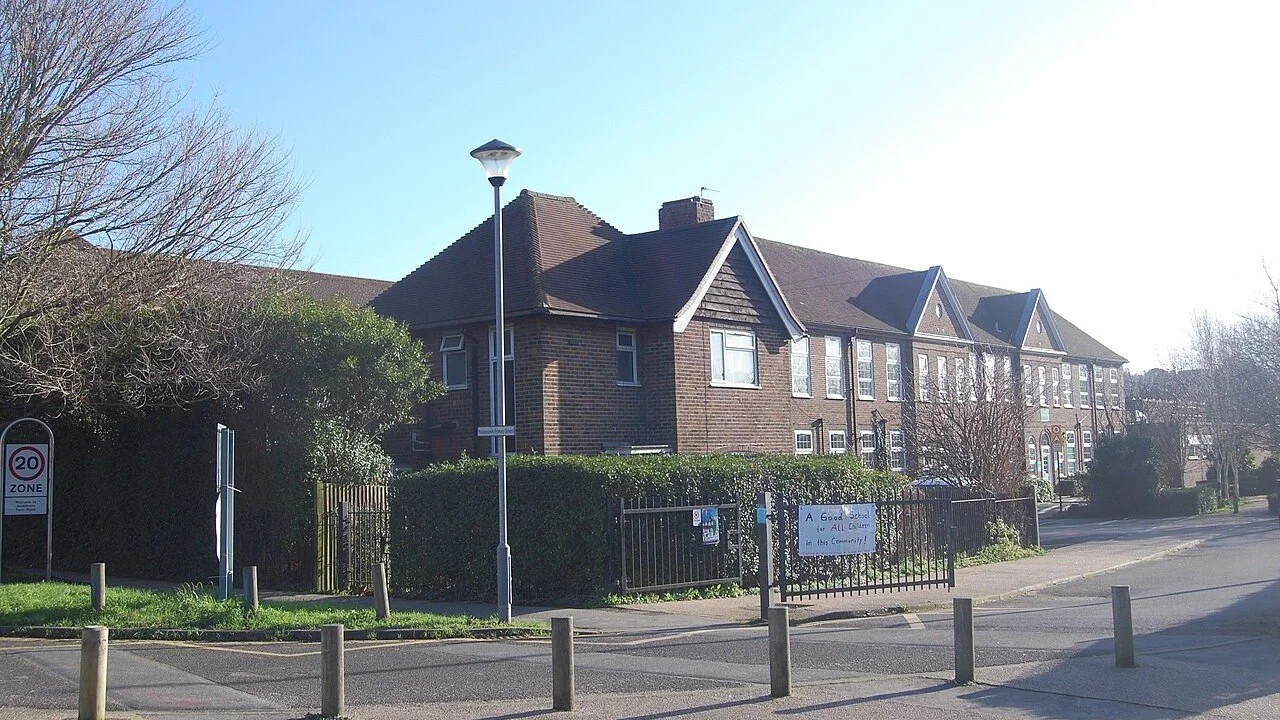
Moulsecoomb Primary School on Moulsecoomb Way, Brighton, where the council plans a specialist base
The government has formally approved Brighton & Hove City Council’s Local SEND Reform Plan, the three-year blueprint for how children and young people with special educational needs and disabilities (SEND) will be supported across the city.
The council announced the approval on 13 October 2026. It was confirmed by the Department for Education and the Department of Health and Social Care, and it lets the council move to the next phase and start delivering the plan.
Sources: Brighton & Hove City Council news release, 13 October 2026, and the council’s Local SEND Reform Plan

What has been approved
The council says the plan is built to help children and young people to thrive by making sure they can get the right support at the right time and in the right place. It was developed with partners across education, health and care.
In its approval letter, the government noted that the plan met the required threshold and provides a sound foundation for delivery. The letter also recognised the importance of strong local leadership and partnership working.
This is a significant milestone for the children, young people and families who rely on SEND support in Brighton & Hove.
We know that too many families have experienced frustration waiting for support or navigating a system that can feel complex and difficult.
The government’s approval of our plan is a strong endorsement of the local partnership’s work and collaborative approach. We are determined to build on this momentum and deliver meaningful and lasting improvements for local families.
Councillor Emma Daniel, Cabinet Member for Children, Families and Youth Services
The three priorities
The council’s release sets out three key priorities. The plan itself, published with the council’s committee papers, adds a fourth aim on investment and planning for places.
The plan’s fourth aim links investment to outcomes and to planning for enough places, with better value for money. Its workforce aim covers a coordinated approach across agencies, including the Experts at Hand programme.
How it got here
Our earlier report on the SEND Sufficiency Plan covers the Cabinet decision on new places in detail.
Sources: Leader decision record, Cabinet decision record, scrutiny minutes, DfE Education Hub and PaCC

Where the city starts
The council’s own figures, from its SEND Sufficiency Plan report to Cabinet, show Brighton & Hove has a higher share of pupils with SEND than the national average. The black marker on each bar is the national figure.
The report records 3,193 children and young people aged 0 to 25 living in the city with an EHCP in January 2026, and forecasts 4,427 by 2032, a 50% rise on the 2025 baseline. Primary-age autism has risen from just under 300 in 2016 to over 2,400 in 2026.
Source: SEND Sufficiency Plan 2026 to 2029, Cabinet report, 16 July 2026
The targets for 2029
The plan sets out where the city starts in March 2026 and where it wants to be by the end of the three years.
Source: Local SEND Reform Plan, Annex A

Where the new places are planned
The reform plan sits alongside the council’s SEND Sufficiency Plan, which sets out the specialist places. The plan names these:
Individual changes that need a formal process, such as altering a school, go through separate decisions and public consultation later.
Sources: SEND Sufficiency Plan 2026 to 2029 and the Cabinet decision record
Three years of delivery
The council says the first year is about mobilising the reforms, building capacity and setting up the new services, workforce and partnerships. Later years are about implementing, embedding and refining.
Source: Local SEND Reform Plan, Annex A
Experts at Hand
Experts at Hand is the national programme that sits at the centre of the early-help promise. The council describes it as giving schools and settings more consistent access to professionals such as educational psychologists, speech and language therapists, occupational therapists and specialist teachers, who work alongside staff in teams rather than only through individual referrals.
The DfE says it is putting around £1.8 billion over three years into the programme nationally, with the aim that many children get the support they need without an EHCP. The council’s report puts its Experts at Hand and transformation grant funding at about £1.75m for 2026/27, with similar levels expected in the following two years.
The plan sets a first response time of 10 working days for the service and puts the first teams in four Best Start in Life Family Hub areas.
Sources: DfE Education Hub, council report to the Leader and Annex A
Watch: the national changes explained
Amaze Sussex, which supports families of children with SEND, ran a webinar on what the government’s white paper is changing and how to have your say. PaCC links to it from its guide for Brighton & Hove families.
Video: Amaze Sussex, played from YouTube
The money
The council’s reports to the Leader and to Cabinet set out what the plan is expected to cost and how it is funded.
The capital comes from the government’s £3.7bn national investment in specialist places and inclusion bases. The council expects in-year high needs deficits of about £7m in 2026/27 and about £11m in 2027/28, and says the government expects a High Needs Stability Grant to fund 90% of the deficit accumulated to 31 March 2026, depending on an approved plan.
Sources: council report to the Leader and SEND Sufficiency Plan report to Cabinet
What it means for families
PaCC, the city’s parent carer forum, has been clear that publishing the plan does not mean immediate changes to any child’s support. Children’s legal rights, and the responsibilities of councils, schools and health services, stay the same.
The DfE says no changes to EHCP-based support will begin before September 2030, and that no child is losing support they need.
Sources: PaCC, 13 July 2026 and DfE Education Hub
Who checks it is working
The plan will be monitored by the city’s SEND & Alternative Provision Partnership Board, which includes people from education, health and social care and PaCC. The plan says the board meets quarterly.
The council lists its own main risks. They are recruiting enough specialist staff, particularly educational psychologists and therapists, pressure on high needs funding, and making inclusive practice consistent across schools. The plan asks the DfE for clear national guidance on Experts at Hand and help with a national workforce pipeline.
At the scrutiny committee in July, councillors also raised support after 16, how neurodiversity such as ADHD is recorded in the data, and who is under-represented in EHCP applications. Officers said they would co-produce the eligibility criteria for specialist bases with parents, carers, schools and SENCOs.
Sources: Local SEND Reform Plan, Annex A and People Overview and Scrutiny minutes, 14 July 2026
Read more
More from us on children’s services and the council:
- Brighton & Hove SEND Sufficiency Plan 2026 to 2029
- Jeanne Saunders Centre in Hove rated Exceptional by Ofsted
- All Brighton & Hove City Council news
Sources
All figures and quotes come from these documents:
- Brighton & Hove City Council news release, “Government approves Brighton & Hove’s Local SEND Reform Plan”, 13 October 2026
- Leader decision record, Local SEND Reform Plan, 17 June 2026, with the report and Annex A: the plan
- Cabinet decision record and SEND Sufficiency Plan 2026 to 2029, 16 July 2026
- People Overview and Scrutiny Committee minutes, 14 July 2026
- Council news: Boosting local support for children with SEND
- PaCC: Brighton & Hove SEND Reform Plan 2026 to 2027 and SEND reforms information, May 2026
- Department for Education: what parents need to know about changes to the SEND system, February 2026
- Amaze Sussex: SEND White Paper 2026 webinar
Photographs of Hove Town Hall and Moulsecoomb Primary School are released into the public domain (CC0) on Wikimedia Commons.