
First Blind Woman to Swim the Channel Backs Brighton Sea Swimming Day for the Blind
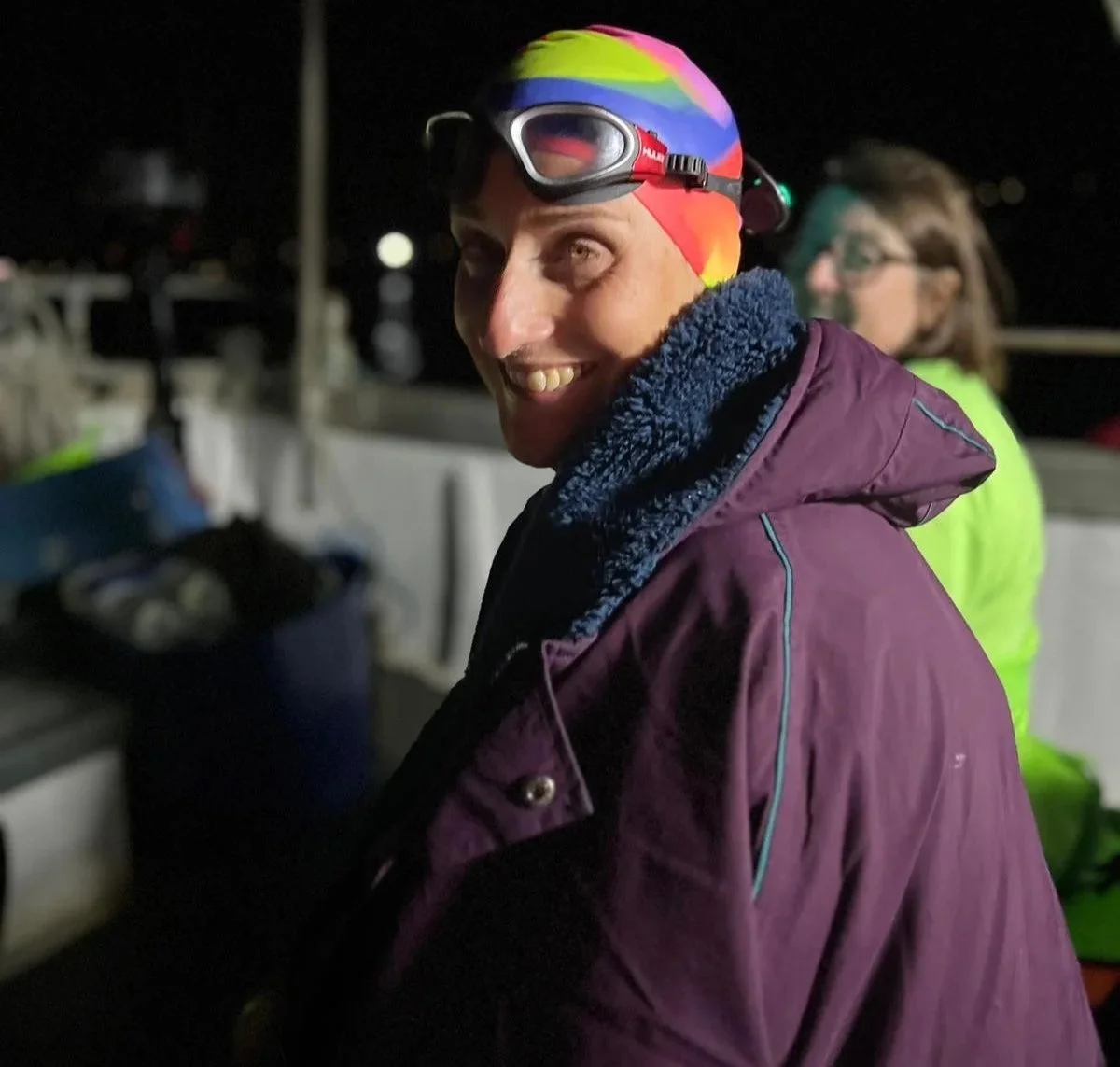
Melanie Barratt, the first blind woman to swim the English Channel, is backing Gateway to the Sea. Photo: University of Brighton
A new kind of day at the seafront
One of the most remarkable open water swimmers in British sport is backing a new accessible sea swimming day coming to the Brighton seafront this month. Melanie Barratt, a double Paralympic champion, six-time World Champion, World Triathlon Champion and the first blind woman to swim the English Channel, has joined University of Brighton researchers, British Blind Sport and open water specialists SwimTrek to help blind and partially sighted people gain confidence in the sea.
Gateway to the Sea takes place on Saturday 27 June 2026, based at Sea Lanes Brighton, the national open water swimming centre on Madeira Drive. The day has been designed to help people with sight loss build confidence in open water through supported coaching, guided swims and shared learning, all in a safe and welcoming environment right on the city seafront.
Led by the University of Brighton in partnership with British Blind Sport, the UK national disability sport organisation for blind and partially sighted people, and supported by SwimTrek, the initiative is part of a growing movement to open up the sea to people who have long been left out of it. Outdoor adventure brand Red Equipment is also supporting the project, providing branded dryrobes, t-shirts and gifts for everyone taking part.
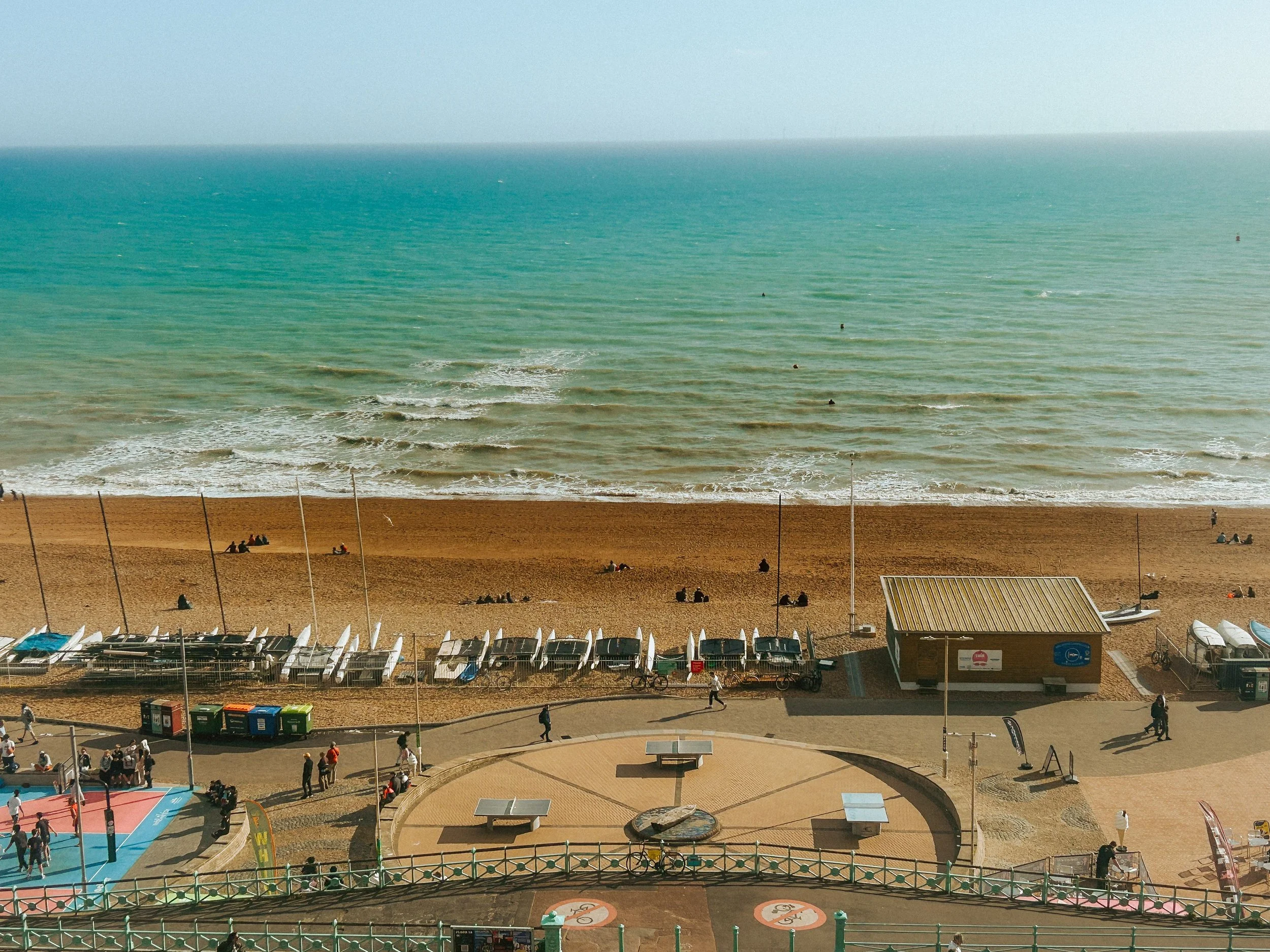
Open water swimming season is in full swing along the Brighton and Hove seafront. Photo: Pexels
What the day involves
Gateway to the Sea is built around a fully supported day of coaching, guided swimming and shared learning. Participants will spend time both inside the facilities at Sea Lanes Brighton and out in the sea itself, supported by SwimTrek coaches, swim guides and experienced open water swimmers.
The programme includes pool-based coaching to build confidence in a controlled setting, followed by a guided sea swim supported by qualified coaches and one-to-one swim guides. There will be time for discussion and reflection through the day, and a talk from Melanie Barratt about her own journey in swimming and open water.
SwimTrek, which is based at Sea Lanes on Madeira Drive, is providing qualified coaches, lifeguards and operational support throughout, helping make sure everyone taking part can experience open water swimming safely and with the right people alongside them in the water.
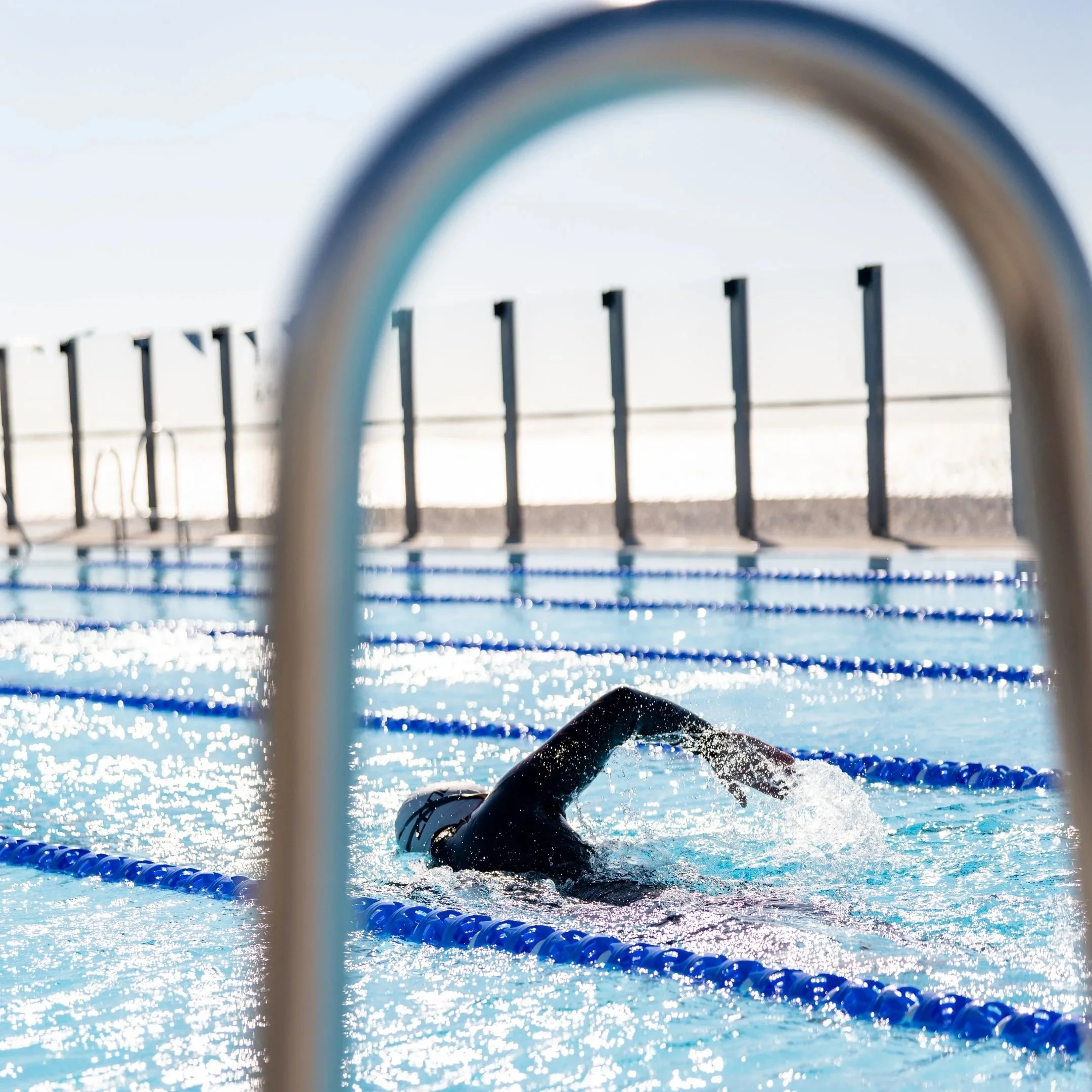
Participants start with pool-based coaching at the Sea Lanes 50 metre pool before heading into the sea. Photo: University of Brighton
The research that started it
Gateway to the Sea grew directly out of University of Brighton research led by PhD researcher Sadie Rockliffe, which looks at the opportunities and barriers blind and partially sighted people encounter when accessing blue spaces such as seas, rivers and lakes. Sadie developed the project after months spent swimming, walking and exploring those spaces alongside blind and partially sighted participants.
Her work challenges the idea that natural water environments can only be enjoyed through sight, exploring instead how people connect with water through touch, sound, rhythm and movement. That earlier research included a pioneering inclusive swim project at Sea Lanes in 2025, co-designed with visually impaired participants.
Sadie said: "Gateway to the Sea has grown directly from conversations with blind and partially sighted swimmers about what helps people access and enjoy blue spaces. The day is about creating a supportive environment where people can develop confidence and familiarity with open water, connect with others, and explore sea swimming in ways that feel accessible, enjoyable and sustainable."
She added: "It's been a real pleasure to work with such a committed group of partners who all share a genuine desire to make swimming and blue spaces more accessible. We hope the event will be the start of longer-term opportunities, connections and support networks, rather than simply a one-off experience."
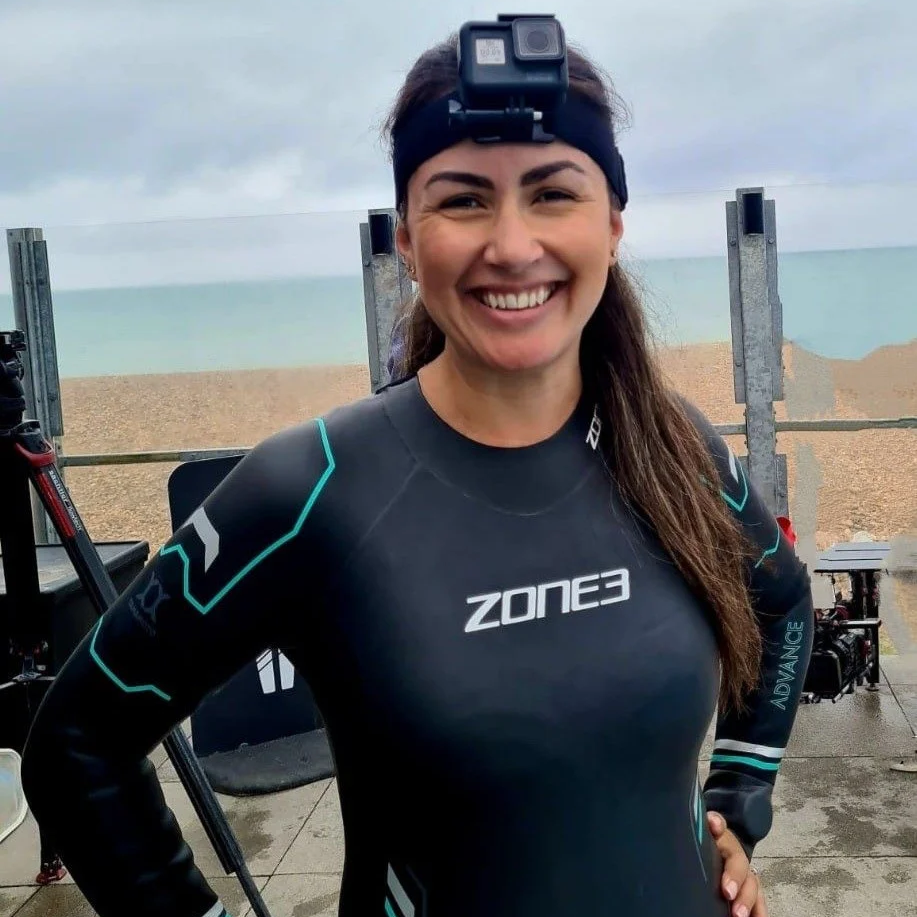
University of Brighton PhD researcher Sadie Rockliffe, whose research into accessible blue spaces led to Gateway to the Sea. Photo: University of Brighton
Why it matters
Open water swimming has grown fast across the country. More than four million adults now swim in lakes, rivers and the sea each year, drawn by the benefits to physical and mental wellbeing. Regular open water participation has more than doubled over the past decade, reflecting just how popular it has become as a way to stay active and connect with nature.
That growth has not been shared equally. For the more than two million people living with sight loss in the UK, concerns around safety and navigation, limited access to the right support, and a lack of opportunities to build confidence in natural water can make taking part far more challenging. Many people with sight loss describe how isolating it can feel to be shut out of activities that others take for granted.
Gateway to the Sea has been designed to break down those barriers, helping participants experience the sea in a way that feels safe, welcoming and genuinely inclusive, rather than something that has to be navigated alone.
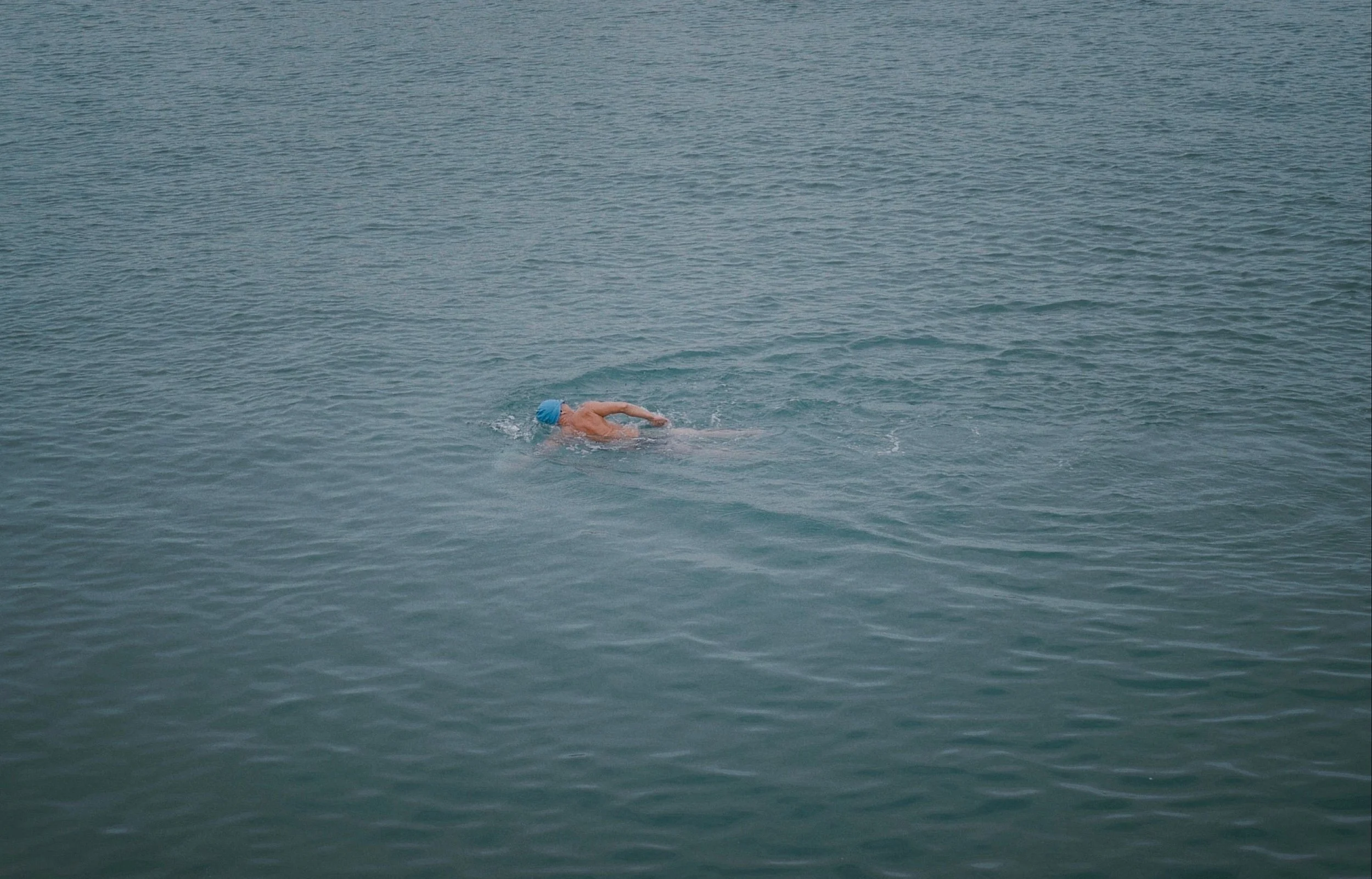
Open water swimming has grown fast across the UK, with more than four million adults now taking part each year. Photo: Pexels
Free weekly sessions at Sea Lanes
Gateway to the Sea is not the only accessible swimming on offer at the seafront. Sea Lanes Brighton runs free weekly swim sessions for blind and partially sighted people every Saturday from 3pm to 4pm at its 50 metre pool.
The sessions are calm, accessible and open to all abilities, fully lifeguarded, with support available and help for additional access needs if required. To make getting there easier, a free summer shuttle bus service runs to and from central Brighton, in partnership with Brighton Community Transport.
For anyone who takes part in Gateway to the Sea and wants to keep going afterwards, those weekly sessions are a natural next step, and a sign of how the city is starting to build accessible swimming into everyday life rather than treating it as a special occasion.
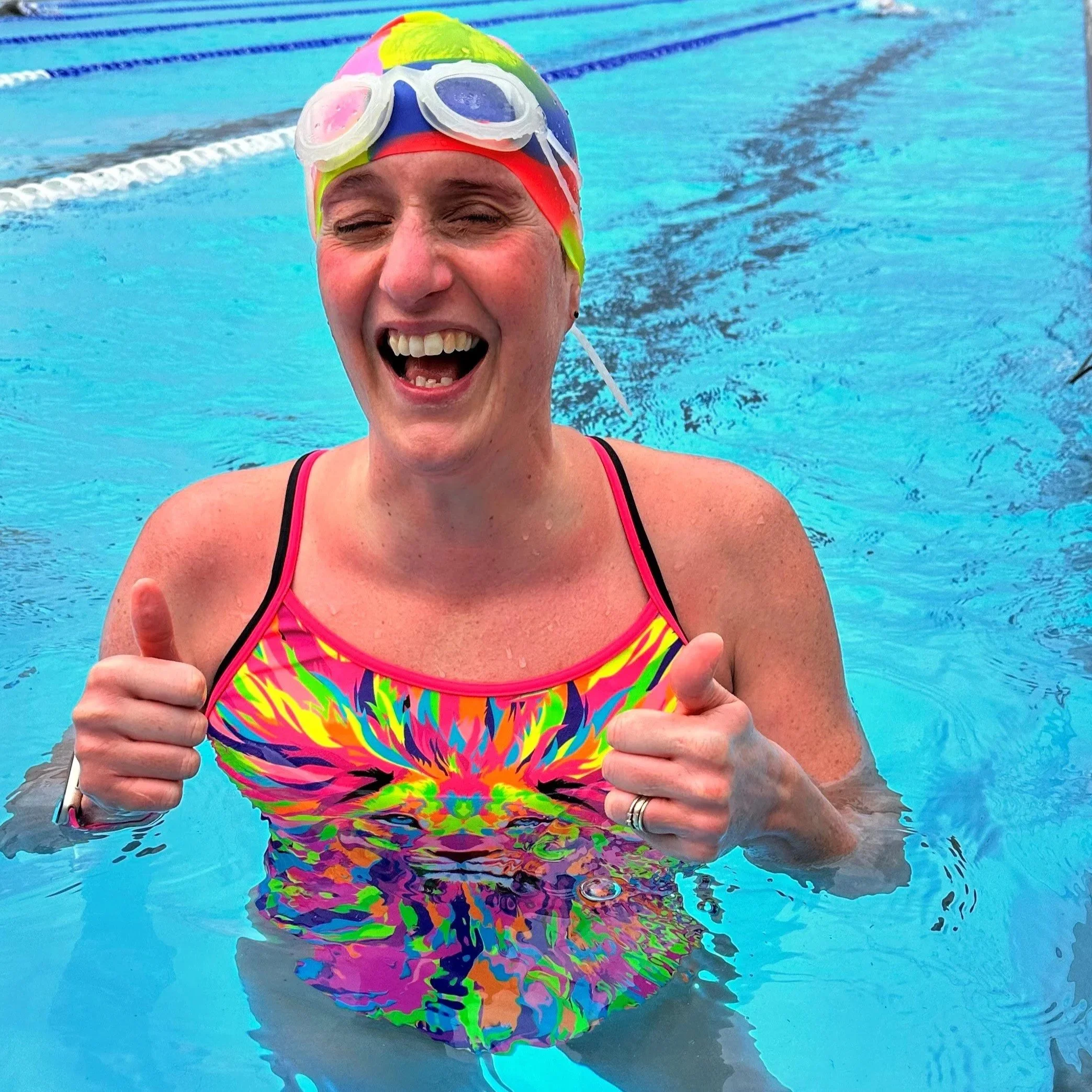
Melanie Barratt will swim alongside participants and give a talk about her own journey on the day. Photo: University of Brighton
Who is Melanie Barratt
Melanie Barratt is a double Paralympic gold medallist, six-time World Champion and World Triathlon Champion, and the first blind woman to successfully swim the English Channel. Born with congenital toxoplasmosis, which severely affects her vision, she has spent decades competing at the highest levels of international sport before becoming a leading advocate for making open water swimming more accessible for people with sight loss. On the day she will swim alongside participants and share her own story.
Melanie said: "I have always loved the feeling of freedom being in the water gives me and have always loved to swim. After I retired from competitive swimming I always swam for relaxation and the joy it brings. I remember longing to swim in open water, and to swim from place to place, even country to country, but I thought it would be impossible."
She added: "However, the open water swimming community is incredibly welcoming and inclusive and I was supported and helped into the water, and I was hooked! The feeling of literally being immersed in nature, the sounds, smells, colours and sensations were just like nothing else. I fell in love with the personal challenge it gave me and one thing led to another."
"Being blind or visually impaired can be so incredibly isolating, sometimes it's difficult just leaving the house. But since joining a local open water swimming group I have made some incredible friends and developed a confidence in what I can do that has spilled over into all areas of my life. I know how hard it was to take those first initial steps into the water, so I am so excited to be able to offer this opportunity to others!"
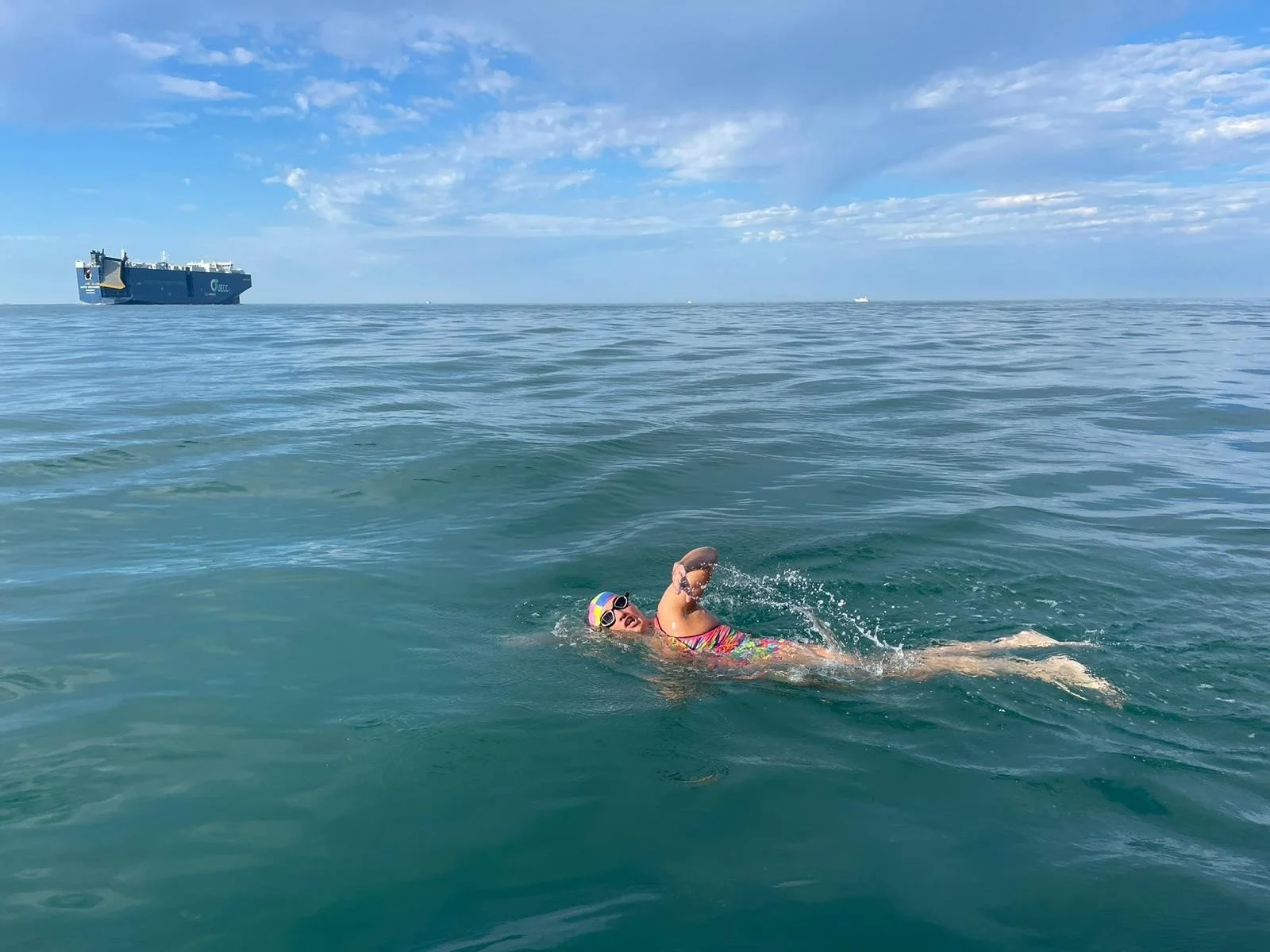
Melanie Barratt swims in open water, the discipline that took her across the English Channel as the first blind woman to do so. Photo: University of Brighton
British Blind Sport and the Have a Go approach
British Blind Sport has helped shape the event through its Have A Go Days programme, which creates opportunities for blind and partially sighted people to try new sports and activities in accessible environments with the right safeguards in place. The charity works to transform lives through sport and physical activity, from grassroots through to elite level.
Shamira Naidu-Young, Senior Sport Development Officer at British Blind Sport, said: "At British Blind Sport we are committed to creating sustainable, accessible sport and physical activity opportunities for blind and partially sighted people. The Gateway to the Sea project fits perfectly with our Have a Go Day offer, which enables people to try new sports and activities within a safe environment with dedicated exit routes in place."
She added: "We hope that the event will help participants to build their confidence and skills so that they can continue to enjoy open water swimming. We are excited to be working with such aligned and passionate partners to make this event happen."
British Blind Sport helped shape the day through its Have a Go Days programme. Image: British Blind Sport
SwimTrek on the water
SwimTrek is one of the world leading providers of open water swimming experiences, running coaching, holidays and events in more than 50 locations around the globe. Its base happens to be right here in Brighton, at Sea Lanes on Madeira Drive, which makes the partnership a natural fit for an event on its doorstep.
Ash Van Wensveen, Managing Director at SwimTrek, said: "At SwimTrek, we believe the benefits of open water swimming should be accessible to everyone to enjoy. We're proud to be partnering with the University of Brighton, British Blind Sport and Melanie Barratt to support Gateway to the Sea. Working together alongside our experienced swimming coaches and beach lifeguards, participants can build confidence in the water, develop their open water skills and safely experience the wellbeing and enjoyment that sea swimming can bring."
He added: "We hope this initiative will inspire more opportunities to make open water swimming inclusive, accessible and enjoyable for all."
SwimTrek, based at Sea Lanes on Madeira Drive, is providing coaches, lifeguards and operational support. Image: SwimTrek
A model for the rest of the UK
Organisers do not want Gateway to the Sea to be a one-off. The hope is that it provides a model that can be developed in other locations around the UK, creating lasting opportunities for blind and partially sighted people to access blue spaces safely, confidently and enjoyably long after the event itself has ended.
Rather than a single day out, the aim is to help participants build lasting confidence, connections and support networks that keep them coming back to the water. By showing how researchers, sports organisations, community groups and commercial partners can work together, the project hopes to demonstrate a blueprint other towns and cities could follow.
At its heart, the project is about a bigger question, who gets to enjoy the sea, and the wellbeing that comes with it. By creating real opportunities for people with sight loss to access the water safely and confidently, Gateway to the Sea is adding to a wider conversation about inclusion, wellbeing and the right to enjoy the natural environment.
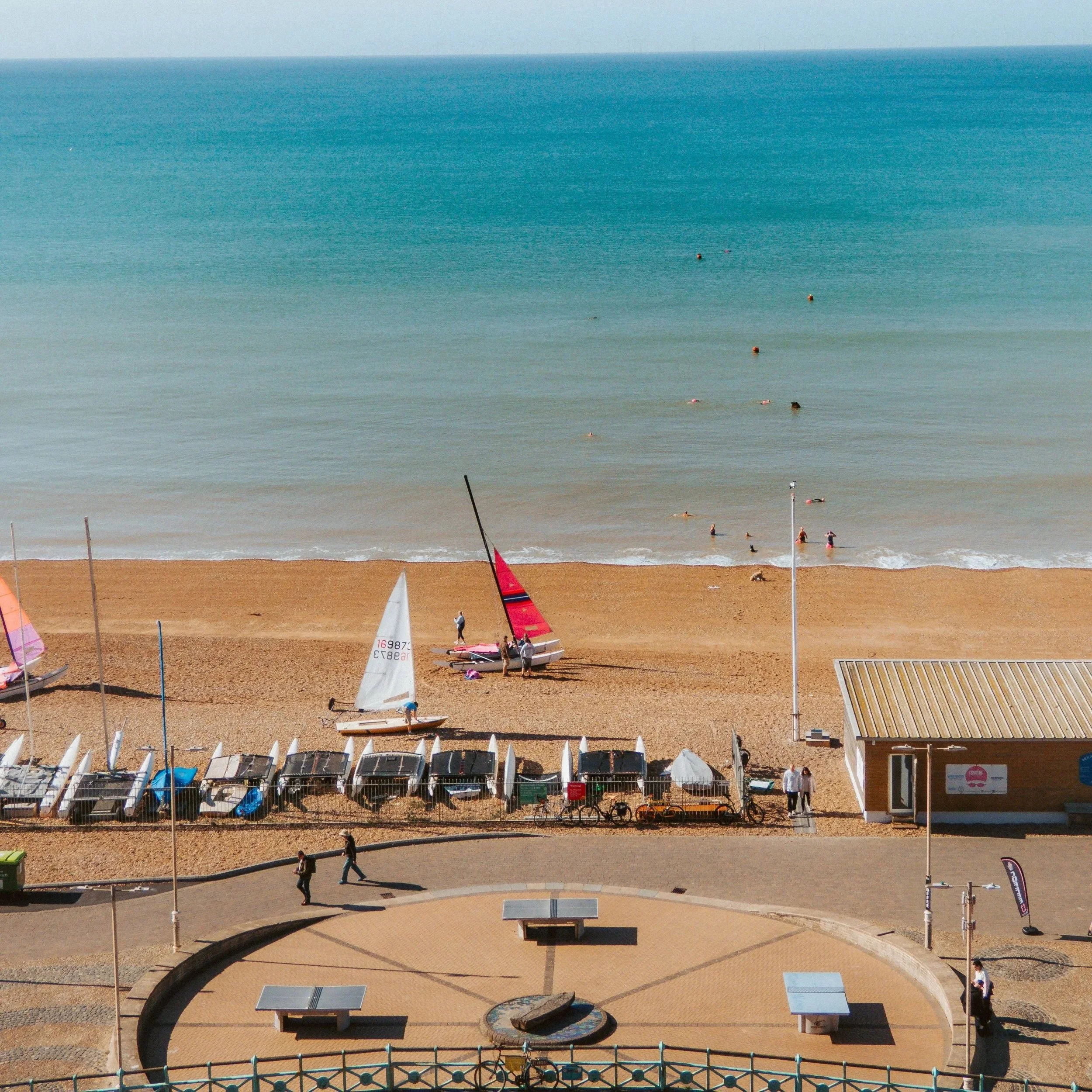
Swimmers head into the sea off Brighton beach as open water swimming season gets under way. Photo: Pexels
How it came together
Gateway to the Sea is funded through the University of Brighton Ignite 3.5 programme, supported by Arts and Humanities Research Council (AHRC) Impact Acceleration Account funding. That backing has allowed academic research to move out of the lab and into the water, turning Sadie Rockliffe's study of blue space access into a real day on the Brighton seafront.
It is also a strong example of what the University of Brighton calls its commitment to social impact and community engagement, taking research that matters and putting it directly to work for the people it is about. The 27 June date sits in a busy summer on the seafront, with sea swimming season in full swing and the water at its most inviting.
For a city that lives by the sea, it is a reminder that the water belongs to everyone, and that with the right support far more people can enjoy it than currently do.
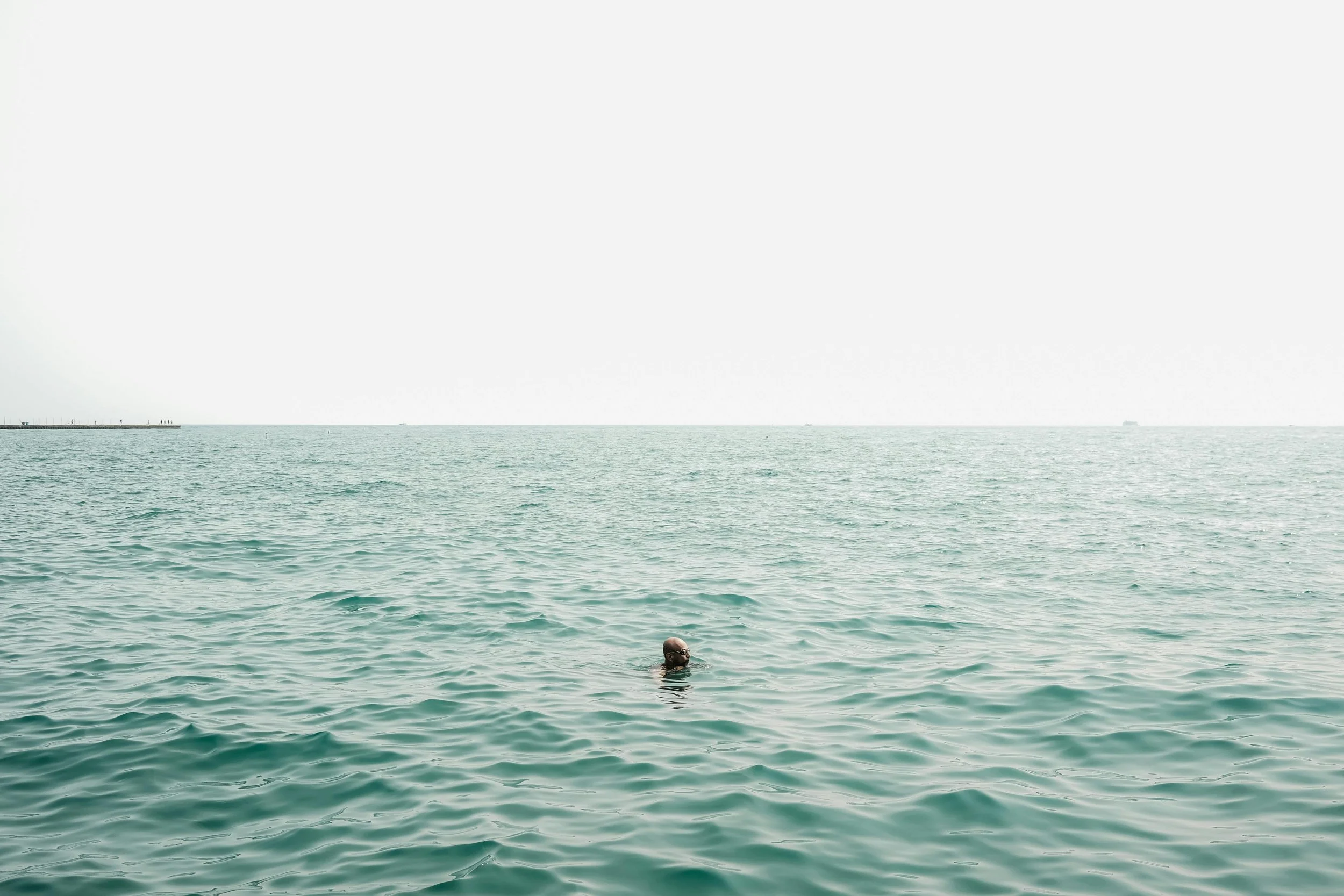
Organisers hope Gateway to the Sea becomes a model that opens up the sea to more people across the UK. Photo: Pexels
Get involved and find out more
Gateway to the Sea takes place on Saturday 27 June 2026 at Sea Lanes Brighton on Madeira Drive. You can find out more about the partners behind it at University of Brighton, British Blind Sport and SwimTrek, and read more about the research at Sadie Rockliffe's profile.
The same Saturday also sees safety cover stepped up along the coast, which we covered in our piece on the Brighton and Hove seafront patrol boat. For more on making the most of the coast this summer, read our Brighton Beach Guide 2026, and for the latest from across the city visit our Brighton news hub or follow ImJustBrighton.
This article is based on a University of Brighton press release issued on 15 June 2026, verified against official sources including the University of Brighton, British Blind Sport, SwimTrek, Sea Lanes Brighton, Swim England and RNIB. Last updated June 2026.