
Two years in: where Brighton & Hove's Homes for Everyone housing plan stands
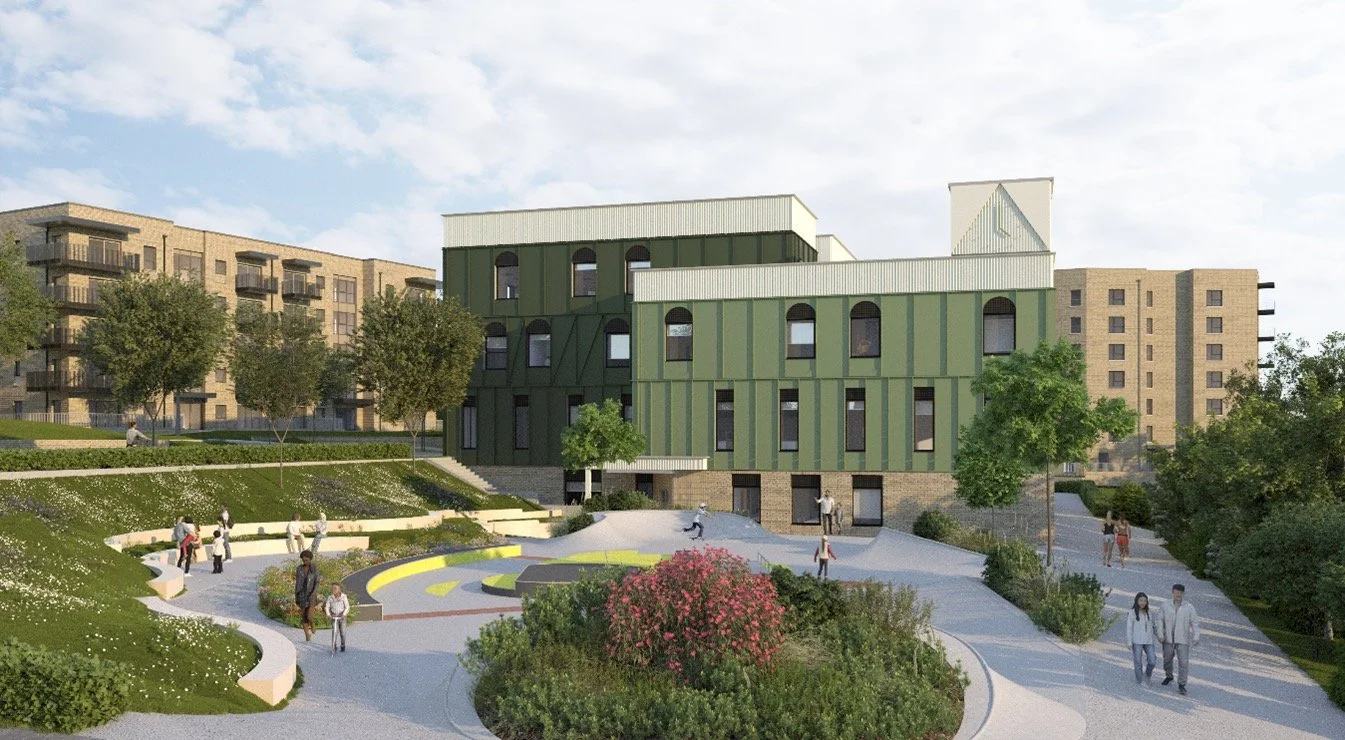
How the Moulsecoomb housing and community hub scheme will look once complete (Image: Brighton & Hove City Council)
Two years into its five-year plan to address the city's housing pressures, Brighton & Hove City Council has taken stock – and the numbers show a council spending tens of millions on its own homes while the pressures of temporary accommodation and a stretched rental market keep climbing.
At its meeting on Thursday 16 July 2026, the council's Cabinet reviewed progress on the Homes for Everyone Housing Strategy 2024 to 2029, the long-term blueprint agreed by Full Council in October 2024. The review covers the strategy's second year and confirms the actions the council will take through 2026/27.
Of the 37 strategic actions identified for the year, 22 are now complete and the remaining 15 are still in progress. The whole plan is built around five priorities.
Pouring millions into ageing council homes
Keeping existing council homes safe and warm is where the biggest money is going. In 2025/26 the council invested more than £44 million in improving its existing council homes, including increased spending on damp and condensation work alongside planned and major capital works. That figure is set to rise to £54 million in 2026/27.
A large part of that effort has gone into tackling damp and mould. Ahead of Awaab's Law coming into force, the council completed more than 1,100 damp and mould jobs between July and September 2025, with technicians investigating root causes on the first visit rather than just treating symptoms, and set up a dedicated specialist team in October 2025. The identified capital budget for condensation and damp works across 2025/26 to 2029/30 stands at £7.166m.
On safety compliance, the council reports full compliance with its fire risk assessment programme, water safety risk assessments up from 64% to 96.7% over the year, and 97% of homes holding a current electrical test certificate. It also updated its Private Sector Housing Enforcement Policy in April 2026 to align with the new Renters' Rights Act 2025, strengthening its powers against non-compliant landlords. This builds on the wider licensing push covered in our report on selective licensing in Regency and Central Hove.
Building the homes the city needs
The strategy's headline pledge is to deliver at least 2,000 affordable homes by 2029. Two years in, 684 have been delivered – and the council says it expects the pace to build each year as more schemes complete.
Work has now started on two major affordable housing schemes in the city: 222 new council-rented homes at Flintfield Drive in Moulsecoomb, and 306 council-rented and shared-ownership homes at Sackville Road in Hove through the Homes for Brighton & Hove partnership, due for completion by March 2029. The Moulsecoomb scheme sits alongside the wider regeneration we covered in our report on the 222 council homes and community hub at Moulsecoomb.
Holding back homelessness – against the tide
Building on its Homelessness Transformation programme, the council says more than 500 households were helped to avoid becoming homeless in 2025/26 through early intervention and prevention work.
But the pressure is still rising. The number of households in temporary accommodation went up by 230 over the year to around 2,200 by the end of March 2026, which the council attributes to local and national pressures pushing demand disproportionately high. In response, Cabinet agreed a programme of reform in April 2026 to move away from expensive emergency provision towards a more sustainable, higher-quality, locally controlled model. The council's separate Homelessness and Rough Sleeping Strategy 2025 to 2030, approved in December 2025, sets out the five-year plan in full.
"We're very proud of the progress we've made throughout the first two years of our Homes for Everyone housing strategy – increasing our stock of affordable housing, tackling damp and mould in existing homes and early interventions to prevent homelessness."
Councillor Gill Williams, Cabinet Member for Housing
Helping people stay in their own homes
Adaptations that let disabled and older residents stay living independently are another strand of the work. Over the two years the council delivered major adaptations to around 900 households, spending £4.53m in 2025/26 and £4.49m in 2024/25 through Disabled Facilities Grants and adaptations to council homes.
Why the city needs the plan to work
The scale of the challenge is what makes the numbers matter. When the strategy was drawn up, the data showed a city where housing costs sit well above regional and national levels – and it's the backdrop against which every one of these figures should be read. The affordability squeeze in particular is stark: local house prices run at more than twelve times local earnings.
What happens next
Cabinet noted the progress and agreed a Year 3 action plan for 2026/27. The council frames the two-year mark as a platform rather than a finish line, with Cllr Williams acknowledging "there is still more work to be done." The financial backdrop remains tight – temporary accommodation costs and borrowing sustainability are both flagged as ongoing risks, echoing the pressures set out in our coverage of the council's wider budget position.
You can read the council's own summary and the full progress report through the links below.