
£564k secured to explore bus reform across Sussex and Brighton
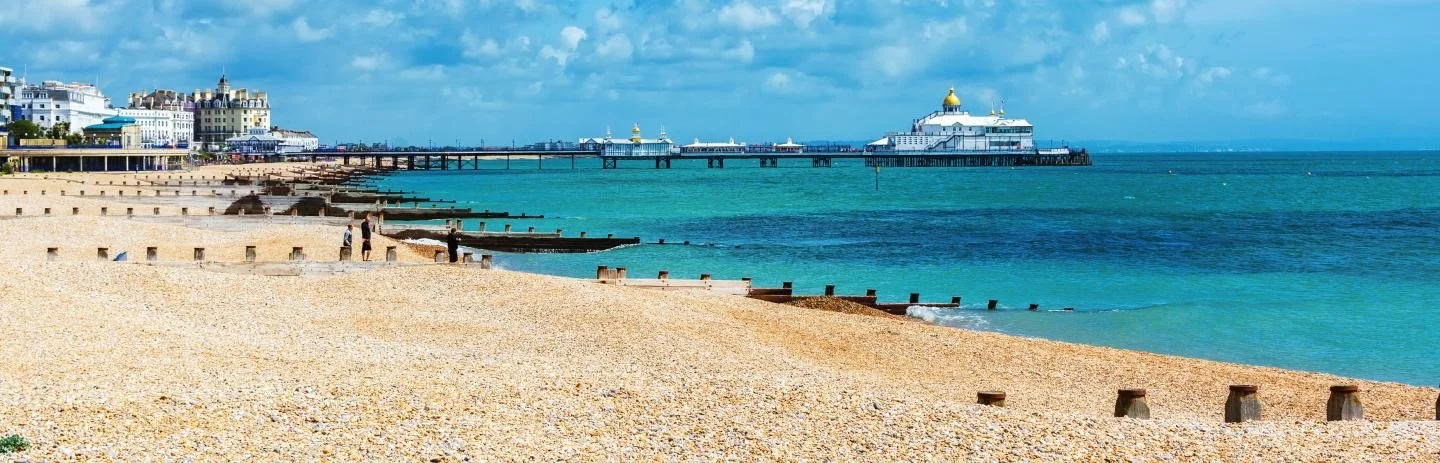
The Sussex & Brighton Strategic Authority covers East Sussex, West Sussex and Brighton & Hove (Image: Sussex & Brighton Strategic Authority)
A new £564,000 grant from central government will pay for a serious look at how buses across Sussex and Brighton could be run differently, including the option of the region taking back control of routes and fares through franchising.
The money has been secured by the Sussex & Brighton Strategic Authority – the new regional body covering East Sussex, West Sussex and Brighton & Hove – from the Department for Transport. It will fund independent studies into the potential benefits of bus reform, helping the authority weigh up how future services could better meet the needs of passengers, communities and businesses.
Drawing on advice from the Department for Transport and other regional authorities that have already gone down this road, the work will look at how to better connect people with jobs, education and essential services, and keep the network working for the people who rely on it across Sussex.
Where the money goes
The Bus Franchising Support Funding package splits into two parts: the bulk pays for the studies themselves, and a smaller slice pays for someone to lead the work.
What is bus franchising, anyway?
Most buses in the area are run on a commercial basis by private operators, who largely set their own routes, timetables and fares. Franchising flips that around: the public body decides the routes, fares and standards, and pays operators to run the services to that specification, in the way that has long been the case in London. It's one of the options this funding will help the authority explore, alongside other kinds of reform, before any decision is taken.
'The starting gun on potential change'
Councillor Bella Sankey, Chair of the Board, framed the money as a first move rather than a decision. She said residents were feeling the cost of living, and that buses need to become more affordable and better matched to communities on frequency and routes.
"This funding fires the starting gun on potential change."
Councillor Bella Sankey, Chair of the Board
Joint Vice Chair Councillor Andy Woolley pointed to the economic case, saying that in recent years every £1 invested in buses in East Sussex has returned almost £4 to the economy, with passenger numbers recovering from the Covid era. Smarter planning of the network, he argued, could help work, education and social life across Sussex.
Joint Vice Chair Councillor Jay Mercer said any investment in Sussex buses was worthwhile, giving residents a way to travel across the county at a reasonable cost, and singled out the many rural areas that depend on the network.
What happens next
The funding still has to be signed into the authority's budget, and the detail of the work comes later in the year. Here's the sequence.
For Brighton specifically, the move builds on work already under way: earlier in 2026 Brighton & Hove City Council said it wanted to explore franchising the city's own bus network. Any decision on the ground is likely to fall to the future Mayor of Sussex, whose first election is set for May 2028 and who will take on strategic transport powers for the region.
The studies will be carried out with the authority's three constituent councils, bus operators and other partners, so that any future decisions rest on solid evidence and local priorities. You can read more through the links below.
• Sussex & Brighton Strategic Authority
• Strategic Authority: transport and local infrastructure priorities