
Brickfields: Hove's new supported living scheme prepares to welcome first residents
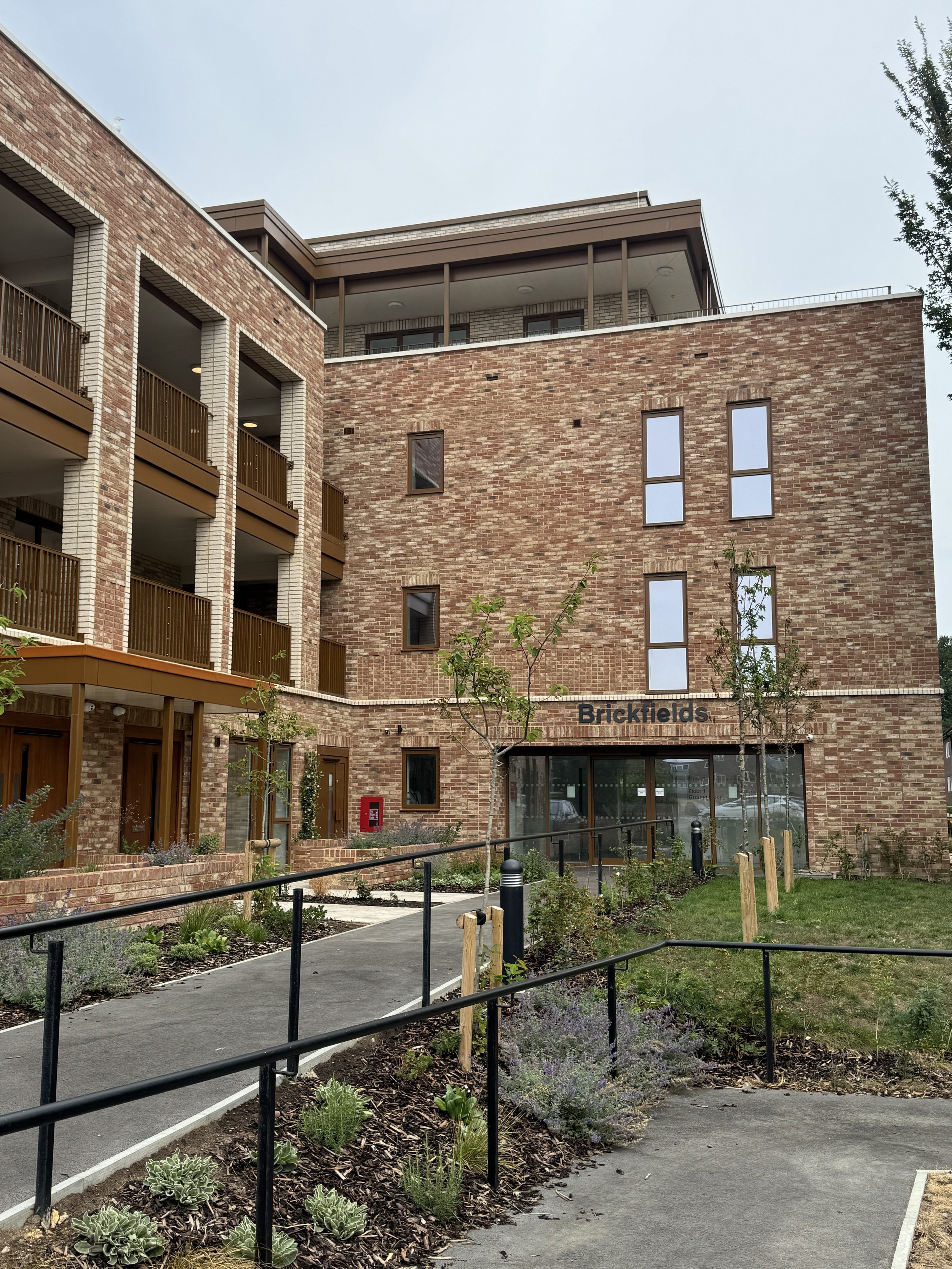
The completed Brickfields supported living scheme in Ingram Crescent, Hove (Image: Brighton & Hove City Council)
A new supported living scheme in Hove is finished and preparing to welcome its first residents, offering people with physical disabilities and acquired brain injuries a place to live independently with round-the-clock care on hand.
Brickfields, built on the site of the former Knoll House in Ingram Crescent, is now complete, with the first residents expected to move in from mid-October. Because of the size of the building, people will move in gradually over a couple of months, and the council's Adult Social Care teams are currently assessing who will live there.
The scheme takes its name from several historic brickfields in the area. It replaces an outdated sheltered housing block, demolished to make way for 28 new apartments, and delivers exactly the kind of specialist housing the council says the city has been short of.
Why the city needs it
The council has said there was a real gap in Brighton & Hove: too little suitable supported living for people with a physical disability or acquired brain injury, which often meant people had to move out of the city, or into residential care that didn't suit them. Brickfields is designed to change that, letting people stay in their community and live independently with support tailored to them.
Who runs it
Three organisations sit behind Brickfields, each with a clear role. The council owns the scheme; the day-to-day care comes from a specialist charity; and the building itself is managed by a housing provider.
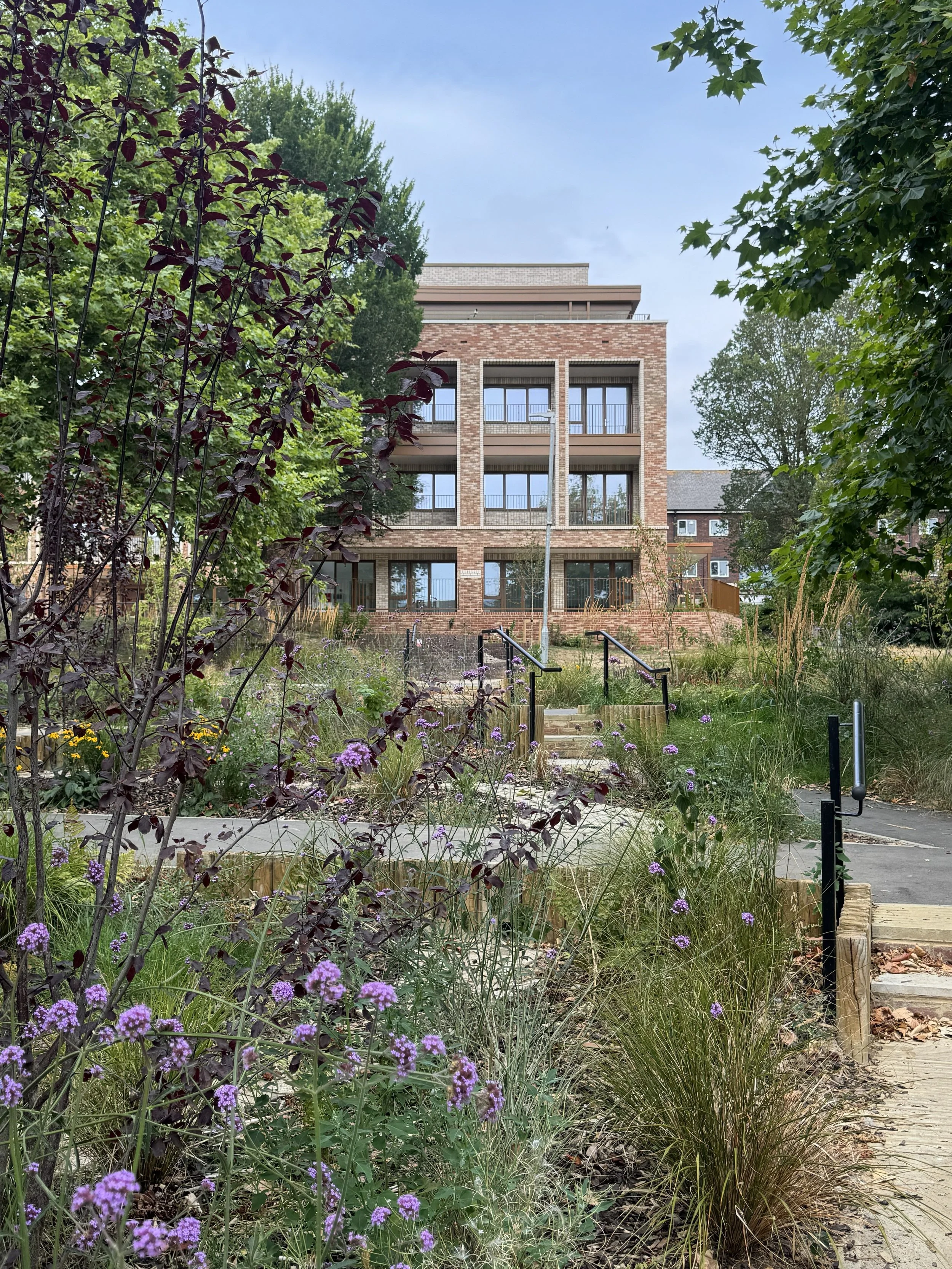
Native planting and accessible gardens surround the new scheme (Image: Brighton & Hove City Council)
Designed around the people living there
Every apartment is wheelchair accessible and dual-aspect, so each home gets good daylight, privacy and shade. Each flat has its own generous balcony for private outdoor space, and residents can also use communal gardens on the ground floor and a roof terrace, all wheelchair accessible throughout. Around the site, accessibility to existing pathways has been improved and extra handrails added.
Green homes, and space for nature
Brickfields is built to be energy efficient, to cut consumption and keep residents' bills down – with air source heat pumps for communal heating, mechanical ventilation with heat recovery, and low-energy lighting throughout. The landscaping uses native planting, with trellises and climbing plants trained up the walls, and raised planters let residents garden and grow their own vegetables or flowers.
Nature is built into the fabric of the building itself. To support local wildlife, 28 bee bricks and 28 swift bricks have been installed to help conserve and enhance biodiversity.
& raised beds
An award-winning design
Designed by architects PRP, the scheme's approach has already been recognised with a prestigious Housing Design Award – national recognition judged across everything from planning and urban design to biodiversity and low carbon. Its brick facade, with white banding and inset balconies, deliberately echoes the surrounding Ingram Estate and reinterprets the Brighton Regency style. You can read the full design story and download the scheme documents below.
'A life-changing place to call home'
"It's been wonderful to see this development progress from an ambitious vision to a completed building that is now ready to welcome its first residents."
Councillor Mitchie Alexander, Cabinet member for Communities, Equalities, Public Health and Adult Social Care
Cllr Alexander said Brickfields would provide high-quality, affordable homes where people with physical disabilities and acquired brain injuries can live independently, with tailored support available around the clock – the kind of accommodation that helps people live fulfilling lives with greater choice, dignity and independence. She thanked local residents for their patience throughout construction, and welcomed the partnership with Grace Eyre Foundation and Southdown Housing for the years ahead.
Once the care and housing teams are in place, they'll work to connect with the local community and make sure neighbours have ways of getting in touch. You can read more through the sources below.