RNLI Fleet Changes: What the New Coastal Lifeboat Means for Eastbourne and Hastings
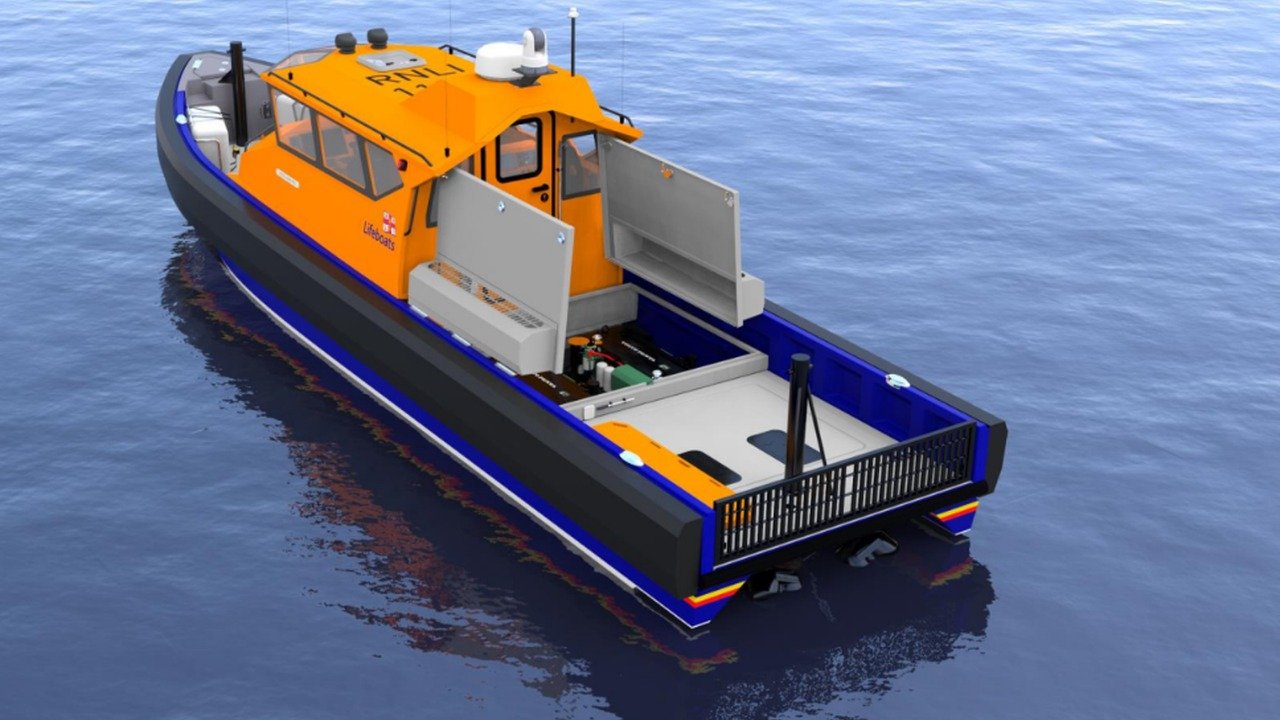
The RNLI has announced the second phase of changes to its lifeboat fleet, covering 2028 to 2030, along with a new class of boat called the Coastal Lifeboat. Two Sussex stations are named in the lists published with the RNLI news release of 12 October: Hastings, which is due to change in 2027, and Eastbourne, in 2028.
The charity says it is responding to a change in how people use the coast, with far fewer rescues involving boats and more involving people who set out from the beach to swim, kayak or paddleboard.
Source: RNLI news release, RNLI evolving to meet lifesaving demand, 12 October 2026
What changes in Sussex

The RNLI’s list of changes names two Sussex stations.
Brighton Lifeboat Station, and the other Sussex stations, do not appear in any of the year-by-year lists published with the release. The release says stations changing lifeboats in 2026 and 2027 were told in autumn 2025.
More from the county is under East Sussex on ImJustBrighton.
Why the RNLI says it is changing
The RNLI says data from its lifeboat crews, lifeguards and partners, compiled over many years, shows most incidents its lifeboats attend are now within the capabilities of an inshore lifeboat. Between 2017 and 2025, it says, 98% of the response was within 10 nautical miles of the shore, 1.8% was between 10 and 25 nautical miles and just 0.2% was more than 25 nautical miles out.
It says lifeboats responded to 9,058 operational services in 2025, over three and a half times what was expected 50 years ago, and that the way people use the sea has changed profoundly. The RNLI says it is increasingly responding to people who start out from the beach for open water swimming, kayaking and paddleboarding.
‘The RNLI has constantly evolved and improved our service over 202 years. We make evidence-based decisions and strive to ensure that we have the right lifeboats in the right places, at the right time to save as many lives as possible around the coast of the UK and Ireland and, crucially, to enable us to bring our selfless, dedicated people home safely.’
‘What will never change is our charity’s purpose, to save lives at sea and our mission, to save every one.’
Peter Sparkes, RNLI Chief Executive
‘We have a responsibility to our volunteer crews to make sure we are providing them with the most capable lifeboat, personal protective equipment and best training to enable them to save lives at sea as safely and effectively as possible.’
‘And as a charity, we must also be clear that we are spending our donors’ money wisely in the right areas and where it will have the most impact.’
Peter Sparkes, RNLI Chief Executive
The new Coastal Lifeboat

The Coastal Lifeboat is a new class due to enter the fleet in 2028. The RNLI says it comes with a watertight wheelhouse and will be self-righting, and that it will bridge the capability gap between the Atlantic 85 Mk4 and the Shannon class.
The RNLI says the new boat will deliver greater capability than an inshore lifeboat for weather conditions, endurance, towing, casualty care, and crew comfort and wellbeing. It says the boat will be capable of operating up to 25 nautical miles offshore.
The charity adds that the Coastal Lifeboat is a modern boat with improved technology and casualty recovery capability, and that it is expected to give cover to neighbouring inshore lifeboats under its principle of 20 mile flank cover.
The Shannon and the Atlantic 85 Mk4

The Shannon is the latest class of all-weather lifeboat in the RNLI fleet. The charity says it is propelled by water jets rather than traditional propellers, which makes it extremely manoeuvrable and agile, able to work well in both deep and shallower water.
The Atlantic 85 Mk4 is the next version of the inshore lifeboat. The RNLI says it will modernise the fleet, deliver digital communication and allow a more sustainable, cost-effective support model, and that volunteer crews were involved in its design and modifications.
The Trent class, which first entered service in 1994, is due to leave the fleet by the end of 2028.
Lifeboat changes year by year
The RNLI says the 2028 to 2030 phase covers 24 of its 238 lifeboat stations in the UK and Ireland. The full station lists are in the RNLI’s release, via the RNLI news centre.
A layered service from the shore
The RNLI says its lifeboat strategy should be seen in the context of a 365 day, 24 hour search and rescue service. It describes a layered service that combines water-safety training, lifeguards and lifeboats, starting on the shore and working out to 75 nautical miles.
When deciding which lifeboats to place at a station, the charity says it looks at the capabilities of neighbouring stations and other search and rescue services, so that coverage meets demand.
Support the RNLI
The RNLI is the charity that saves lives at sea, and its lifeboat crews are volunteers. It says it is independent of the Coastguard and government and depends on voluntary donations and legacies. Here is how it says support helped in 2025:
Source: RNLI donate page, How your support helped in 2025
Donate to the RNLIImJustBrighton backs the RNLI. If you can, please help its volunteer crews bring people home safe.Sources
Read more from ImJustBrighton
Brighton and Hove to Reintroduce Patrol Boat for Seafront Safety This Summer
Blind Channel Swimmer Backs Accessible Sea Swimming Day at Sea Lanes Brighton