
Sussex Police ran a nine-day push against spiking in September, visiting pubs and clubs, joining pop-up events on university campuses and handing students anti-spiking drink covers, the force said on 29 October 2026.
The work ran from 21 to 29 September and coincided with Freshers' Week.
Quick facts
Who: Sussex Police, working with licensed venues, universities, local organisations and the Business Crime Reduction Partnership.
When: 21 to 29 September 2026, announced by police on 29 October 2026.
Where: across Sussex, with officers visiting licensed premises and attending university campuses.
What students received: StopTopps, anti-spiking drink covers designed to reduce the risk of drinks being tampered with.
What police did
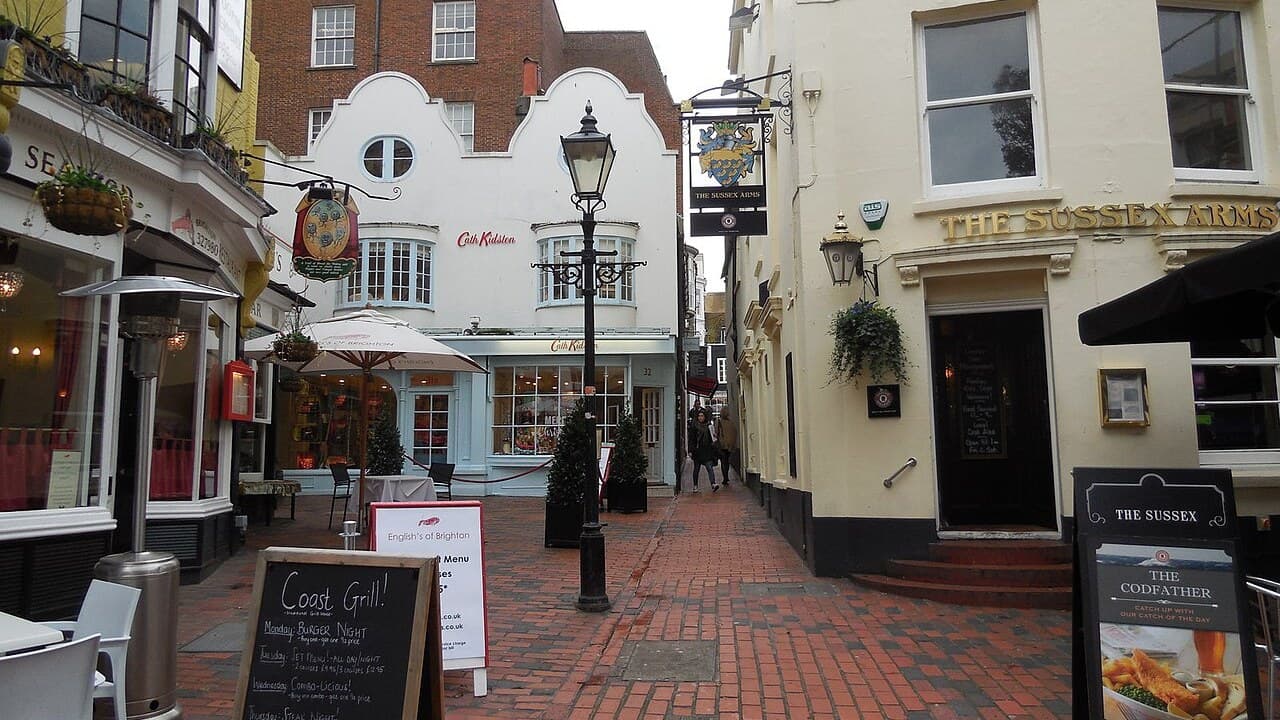
Venue visits: a number of licensed premises were visited by officers, with particular attention given to seafront pubs and clubs. Venue staff were encouraged to stay vigilant, monitor unattended drinks, review toilet safety measures and consider wider safeguarding practices.
Campus events: officers held several pop-up engagement events at university campuses, offering crime prevention advice, reassurance, guidance on reporting incidents and information about spiking. Students were also given StopTopps drink covers.
More officers out at night: additional officers were deployed across the night-time economy, giving a heightened visible policing presence to support people on a night out and help keep them safe.
Venue support: the Business Crime Reduction Partnership worked closely with venues throughout the period, providing targeted communications, staff training and resources to help keep customers safe during their visits.
Why Freshers' Week mattered
Police said the spiking push coincided with Freshers' Week, which meant more engagement with students and young people. The aim, they said, was to educate and to prevent spiking offences, working with partners to explain the risks, how to recognise the signs and the steps that can reduce opportunities for offending.
If you think someone has been spiked
The signs: loss of balance, confusion, nausea and unconsciousness are among the signs to look out for.
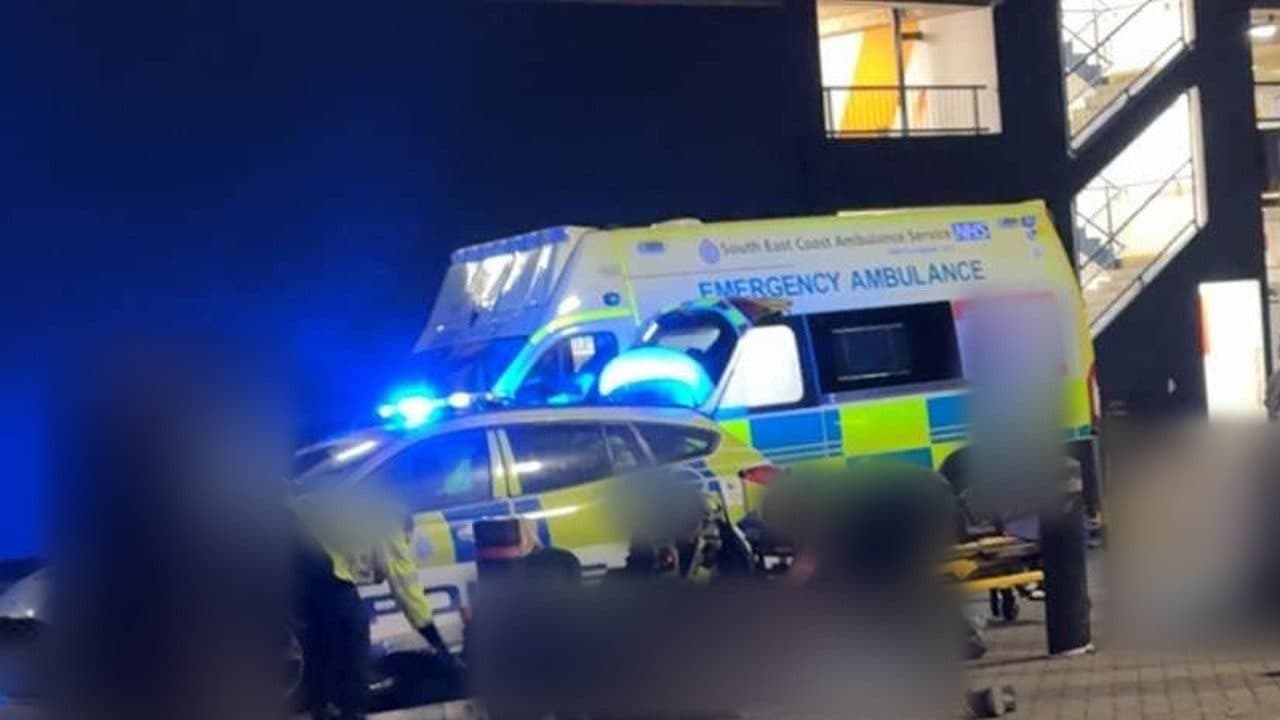
Staying safe: listen without judgement, keep the person somewhere safe, do not leave them alone, and call an ambulance if they are unwell.
Getting tested: medical testing should happen quickly, because substances can leave the body fast.
Reporting: call 999 if it is happening now, or 101 if it happened earlier, for example the next day. If you can, keep the affected drink and note where it happened so CCTV can be checked.
The details above come from Sussex Police's news release, "Action taken across Sussex to raise spiking awareness", published at 16.21 on 29 October 2026, and from the Brighton Crime Reduction Partnership's spiking guide.

Comments
No comments yet. Start the conversation.