
Brighton and Hove Awarded £6.4 Million to Transform Adult Social Care and Tackle Homelessness
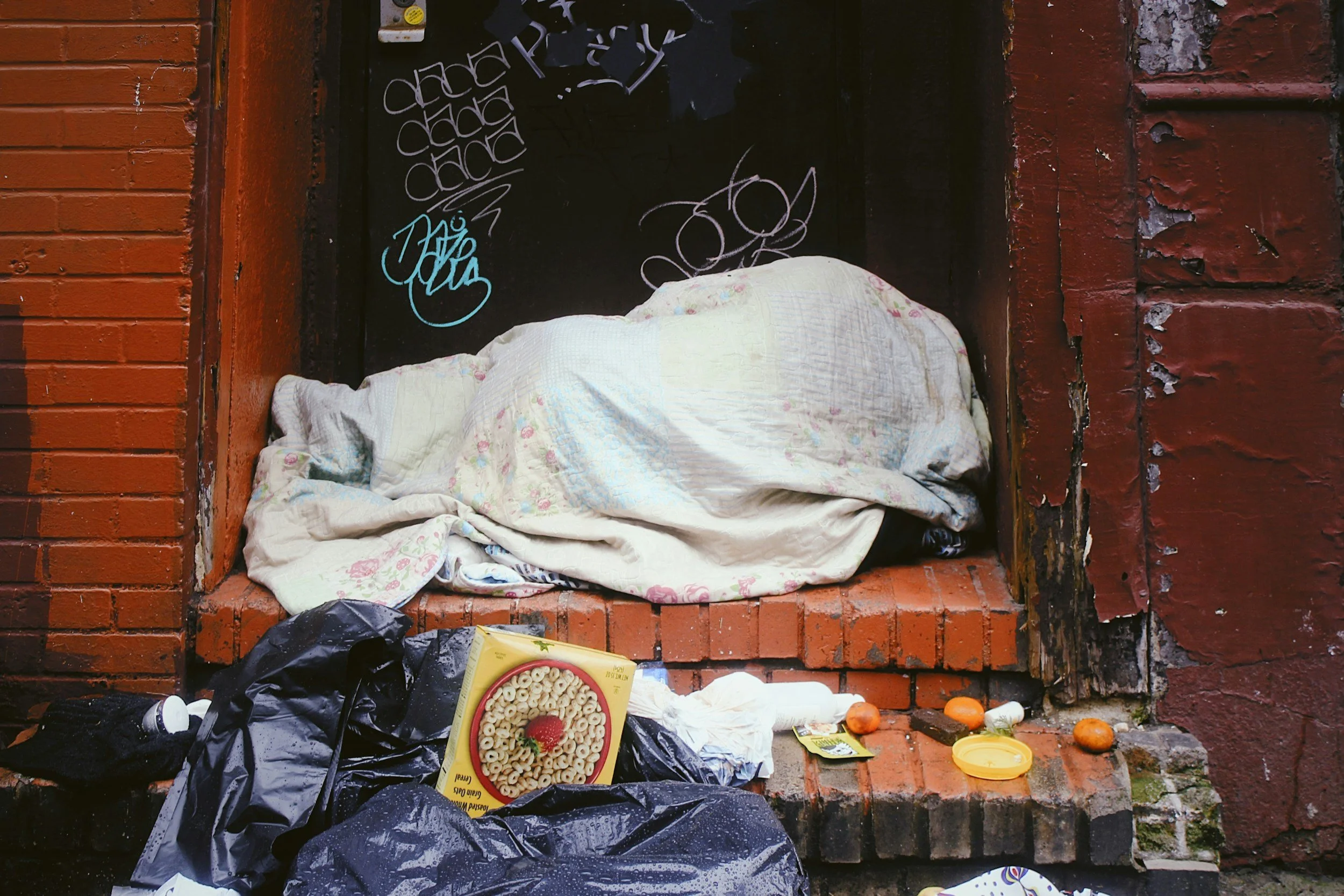
Brighton and Hove has more than 2,300 households in temporary accommodation, with 520 in costly nightly-paid emergency placements by late 2025. Image: Unsplash
Brighton and Hove City Council has been awarded a £6.4 million government grant to tackle two of the city's most pressing financial pressures: rising adult social care demand and a homelessness crisis that has pushed more than 2,300 households into temporary accommodation. The two-year grant, awarded by the Ministry of Housing, Communities and Local Government and running to 2027/28, will fund prevention, early intervention, digital improvements and service transformation across both areas.
The council bid specifically targeted these services because both are locked in a cycle of reactive, crisis-led spending that is driving long-term financial risk. The grant aims to break that cycle.
The Scale of the Problem
Source: Brighton and Hove City Council
Nightly-paid temporary accommodation is the most expensive form of provision and the council has become increasingly reliant on it as demand has outpaced supply. Without structural change, the council's own modelling projects growth of around 664 additional households in temporary accommodation by 2029/30, taking total numbers to approximately 2,860. Demand is currently growing by around 166 households every year.
What the £6.4 Million Will Do
The grant covers two service areas and funds both direct service improvements and the digital and technological infrastructure to support them.
Adult Social Care
Funding will target prevention and early intervention, pulling people back from the point of crisis before they need expensive long-term care. The council will expand its prevention offer at the front door of adult social care, strengthen care reviews, increase community reablement and reduce reliance on residential placements, particularly for working-age adults. Brighton and Hove currently has more residential placements than comparable councils nationally.
Homelessness and Temporary Accommodation
Funding will reduce the use of temporary accommodation and cut out-of-area placements. The council has already begun transforming its approach, using empty council homes as temporary accommodation since January 2026, buying 200 homes for the purpose, and opening a renovated former office building as women-only temporary accommodation. The grant accelerates this shift, funding stronger prevention work so fewer households reach the point of needing emergency accommodation in the first place.
Digital and Technology
Both service areas will benefit from improved use of data and technology to identify need earlier and target support more effectively, reducing long-term costs while improving outcomes for residents.
What the Council Says
"This funding is incredibly welcome and will allow us to expand the outstanding work already being done by our teams in this area. We know that the cost of temporary accommodation and supporting people experiencing homelessness is high and that, together with wider sustained increased demand on adult social care, this can have a huge impact on the council's finances. This is about us being able to spend differently, earlier, and more effectively. It will also enable us to deliver earlier, more impactful support and interventions which will prevent residents from reaching crisis point. This is not only better for the council, but also far better for the residents we support."
Councillor Jacob Taylor, Deputy Leader and Cabinet Member for Finance and City Regeneration
The Wider Context
Brighton and Hove's homelessness crisis has been building for years. According to Shelter's 2024 analysis, around one in every 77 residents in the city is homeless, with nearly 40 per cent of those being children. The council committed an additional £11 million in 2026/27 to manage homelessness pressures alongside £5 million of agreed savings, with a further £5.4 million of savings required across the Medium Term Financial Plan to 2029/30 to place spending on a sustainable footing.
The council's January 2026 scheme using empty council homes as temporary accommodation was an emergency measure to ease immediate pressure. This grant is the longer-term, structural response: shifting from crisis management to prevention.
The Ministry of Housing, Communities and Local Government awarded the grant as part of a wider programme encouraging local government innovation. Brighton and Hove's bid stood out for its focus on prevention and service transformation across two of the highest-cost, highest-demand areas any council faces.
More from ImJustBrighton
→ Brighton and Hove Council Forecasts Almost £20 Million Overspend and Seeks Government Support → 222 New Council Homes and a Community Hub Take Shape in Moulsecoomb → Wellington House Day Centre: Council Votes to Close Last Learning Disability Service