Local GCSE results show improvement in English and Maths for 2026
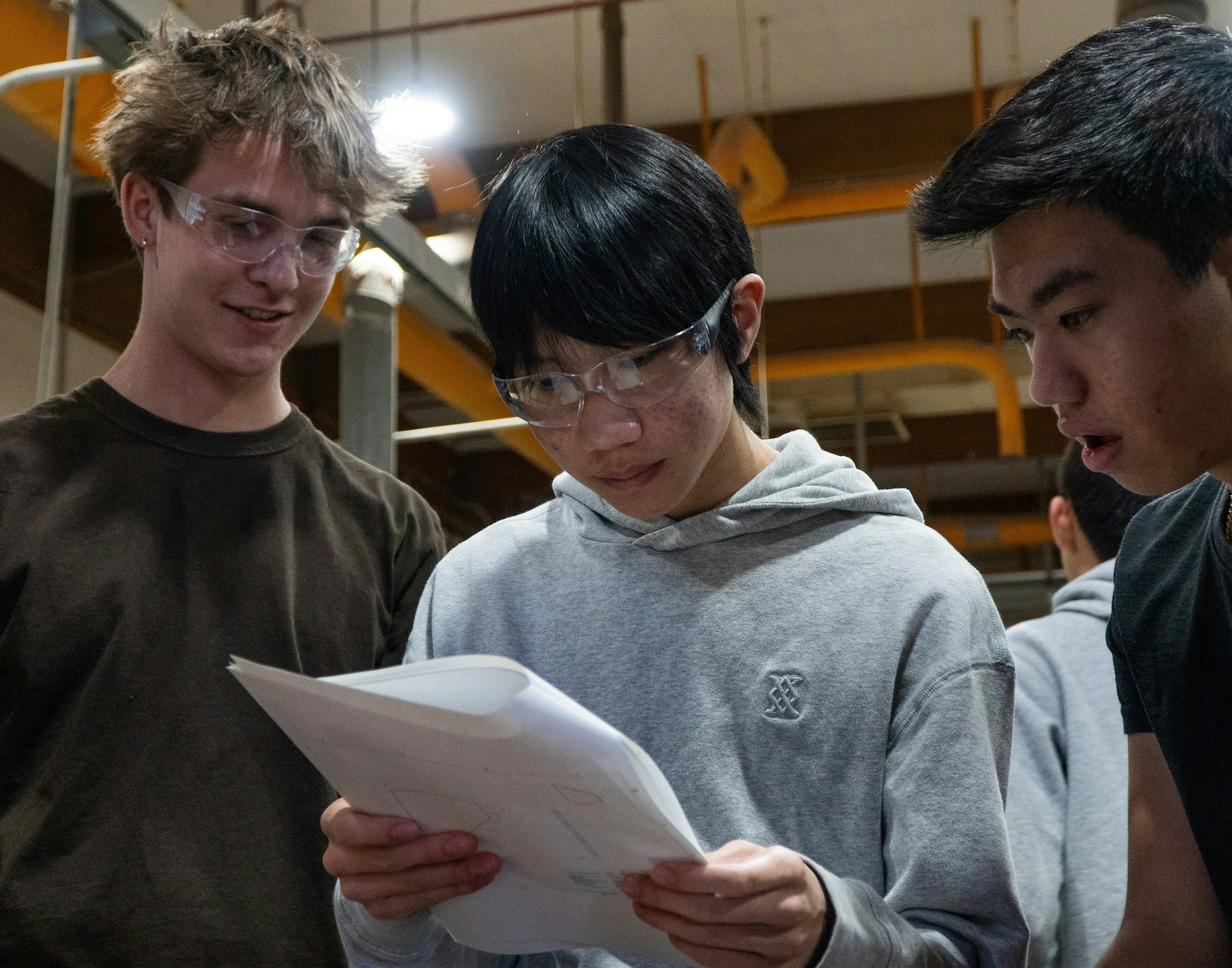
Students across Brighton and Hove received their GCSE results this week
Provisional GCSE results for Brighton & Hove show 69% of students achieving combined English and Maths at grades 4 and above, up from 67% last year, at a time when results nationally are broadly static.
"Congratulations to all our students who received GCSE results today. I know how hard you worked to get here, and you should feel incredibly proud of this achievement. I'd also like to thank the teachers and school staff across the city who supported their pupils throughout this process, alongside the parents, carers, families and communities who continued that support at home. Finishing secondary school is about more than just grades and results, so I also want to acknowledge everything our young people have achieved outside of the classroom this year. Any students that need additional support or advice today are encouraged to speak to our Youth Employability Service, you can get in touch by telephone, on social media, or in person at the Youth Employment Hub."
— Councillor Emma Daniel, Cabinet member for Children, Families and Youth Services
John McKee, chair of the city's secondary headteacher group, said secondary headteachers across Brighton & Hove are writing jointly to celebrate the achievements of their students. The city's students also had strong A-level results this year, outperforming the national average for the 13th consecutive year.
"As a city, we believe every young person is a city child, and that every child's success matters to us all. Today's results reflect the achievements of individual students and the dedication of the staff, families and communities who support them. We also recognise that every school serves a unique community, with different cohorts of young people bringing their own experiences, strengths and challenges. Results are only one part of the story of a school and the young people within it. Our shared commitment is to celebrate success wherever it is found, learn from one another and continue working together to ensure that every city child has the opportunity to thrive. We are incredibly proud of all our students, congratulate them on their achievements and wish them every success for the future."
— John McKee, chair of Brighton & Hove's secondary headteacher group
Finishing school: what you can do next
Students can leave school on the last Friday of June if they'll be 16 by the end of the summer holidays. They must then do one of the following until they turn 18: stay in full time education such as college or sixth form, start an apprenticeship or traineeship, or spend 20 hours or more a week working or volunteering while in part time education. Talk through options with teachers and a school careers adviser, and start planning early, since colleges ask for applications by the December before finishing secondary school. Anyone unsure of their next steps, including recent leavers, can contact the Youth Employability Service for help.
Sixth Form or college
Colleges and Sixth Forms offer courses across a range of subjects and levels. This could be the right choice for students who enjoy learning, have a career in mind that requires certain qualifications, have the grades needed for their chosen course, or have subjects they particularly enjoy or are good at.
Apprenticeships
Apprenticeships combine learning and working, so students gain a qualification and real experience, though they'll need to search and apply for vacancies and attend an interview. This could suit students who prefer practical, hands-on learning, are reliable and punctual, already know what career they'd like to pursue, or have found vacancies in an area they're interested in.
Jobs
At 16, students receive their National Insurance number, which they'll need to start a job. School leavers can work a maximum of 20 hours a week and must also be in part time learning or training. This could be right for students who already have a CV, the experience or qualifications needed, know where to search and apply for vacancies, are punctual and reliable, or have already arranged part time learning or training.
Volunteering
Volunteering builds experience and skills while supporting the community, and school leavers can volunteer up to 20 hours a week alongside part time learning or training. This could suit students who want to give time to a good cause, think it will help build career skills, know what opportunities exist locally, or know how they'll cover their expenses.
Finishing college or Sixth Form
Students finishing A Levels, a Level 1, 2 or 3 vocational course, or otherwise coming to the end of college should talk to tutors and a college careers adviser, and research the qualifications or experience needed for any career they have in mind. Options include further study at a different subject or level, a job, an apprenticeship, a traineeship, short courses or personal development opportunities, volunteering, university, or a gap year to gain independence and experience while planning next steps.
Applying to university
Applications for the next academic year must be submitted through UCAS before January of the same year, though Oxford, Cambridge and most Medicine, Veterinary and Dentistry courses require an application by October the year before. A deferred entry application lets students secure a place while taking a year off first. Students should also think about where to study, whether campus or private accommodation suits them best, and consider the right course, since some run three years and others four, with placement years, specialisms or a year abroad on offer at some universities. Visiting on an open day helps get a feel for each university and city.
Finishing university
Graduates can apply for a job or graduate scheme straight away, or stay in education for postgraduate study, and university careers departments can still offer support after graduating. Many graduate vacancies and schemes only ask for a degree without specifying the subject, opening up more opportunities than students might expect. Graduate schemes usually run a set period of training and on-the-job practice and can be a strong way to build a CV, while postgraduate study, including a masters, is necessary for some careers such as Law or Psychology. Anyone with a student loan needs to start repaying it once they reach the threshold for their repayment plan.
Returning to education after time out
Anyone aged 19 or above who hasn't studied in a long time can find their way back into education. Starting a new course can rebuild confidence and self-esteem, and talking ideas through with family, friends, or a work coach can help make the decision clearer. There may be course fees, and studying can affect the ability to work or claim benefits, so it's worth checking grants and bursaries for adult learners first. Access courses let people without qualifications prepare for university study.
The Post 16 transition toolkit
The council has produced a full guide for young people, parents, carers and professionals moving from school into post-16 education, training and employment, written by BHCC Education and Skills with the 16-19 Pastoral and Wellbeing forum and stakeholders including Amaze and the careers hub. It's worth remembering that 16 to 19 year olds get three years of funding to complete their post-16 education, and those with an Education, Health and Care Plan (EHCP) get funding up to age 25, giving extra time to meet entry criteria or explore more than one option. The toolkit covers terminology, making a choice, employment sectors, entry requirements, results day, what to do if grades don't meet expectations, starting college, finances, SEND transition support, and volunteering. Any queries can go to SkillsandEmployment@brighton-hove.gov.uk.
Events and one-to-one support
Any young adult aged 16 to 25 can get face-to-face support at the Youth Employment Hub, based at Montague House, Montague Place, Kemptown, Brighton, BN2 1JE, near the Upper Bedford Street bus stops. For a full list of in-person events or to book one-to-one support, including National Career Service appointments and Youth Employability Service drop-ins, check the hub's Eventbrite page. Anyone unsure whether the hub is right for them can call 01273 291 654 or email youthemploymenthub@brighton-hove.gov.uk for a chat.