Fire services are urging people to take extra care with candles this week, as the colder months approach and the season of candlelit celebrations begins.
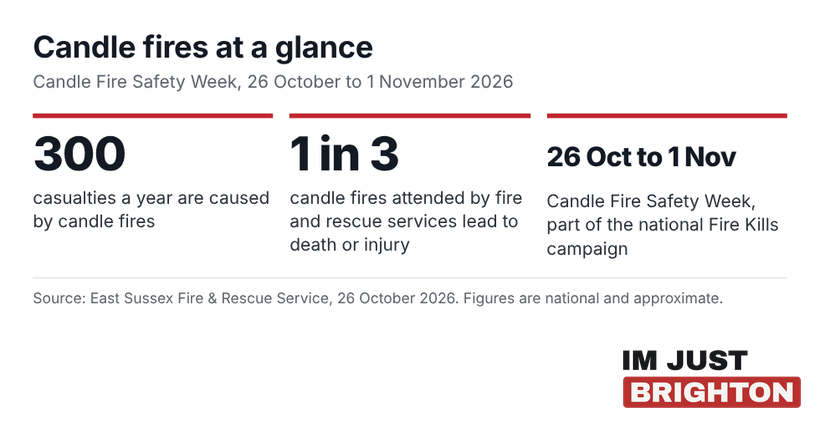
Candle Fire Safety Week runs from 26 October to 1 November as part of the national Fire Kills campaign. In a press release published on Monday 26 October, East Sussex Fire & Rescue Service (ESFRS) said it supports the campaign and wants residents to protect themselves, their loved ones and their communities.
Why this matters now
Candles are often lit for seasonal celebrations, including Halloween, Bonfire Night, Diwali, Bodhi Day, Hanukkah and Christmas. That means more lit candles in more homes over the next few weeks.
ESFRS says candle fires cause around 300 casualties every year. Roughly a third of the candle fires that fire and rescue services attend end in a death or an injury.
Candle fires in numbers
Two recent fires in Newhaven and Brighton
ESFRS points to two recent incidents. In August, firefighters attended a house fire in Newhaven after a lit candle was left burning on a shelf behind a door. A resident had left the property briefly and forgotten about it. The flame set fire to clothing hanging behind the door, and the fire spread to the hallway. Nobody was hurt, and the crew gave safety advice.
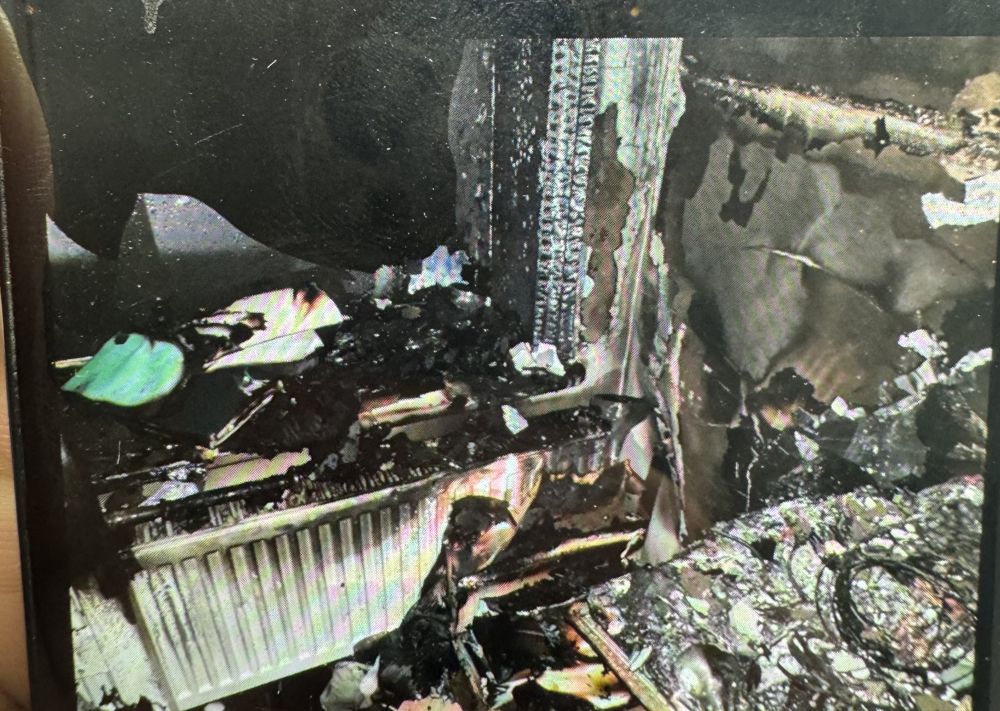
In September, crews were called to a residential building in Brighton. They found a well-developed fire at the back of the property, with heavy smoke coming from second-floor windows. The fire alarm had gone off, but one resident stayed asleep until another occupant alerted them. Three people suffered smoke inhalation and were handed into the care of the ambulance service. A cat was rescued unharmed. The fire is believed to have started from a candle that had not been put out before a resident fell asleep.
Smoke alarms give you time to get out
ESFRS says every incident is different, but both fires show how easily a candle fire can start and spread, and how a working smoke alarm gives early warning and helps people escape.
The service advises fitting smoke alarms, testing them now and then testing them every month. A working smoke alarm can buy you valuable time to get out, stay out and call 999. Everyone in the home should know what to do in a fire, and should practise the escape route.
ESFRS has more candle and decorative lights advice on its website.
How to use candles more safely
The service’s main advice is to use LED or flameless candles instead of wick candles. If you do use real candles, the checks below cover what ESFRS asks people to do. Renters and leaseholders should also check their lease or tenancy agreement first, to see whether candles are allowed.
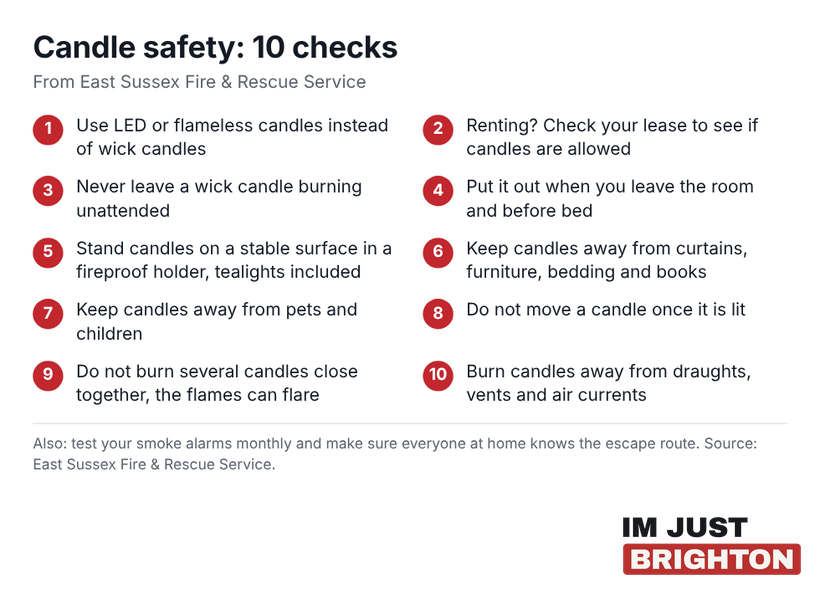
Scented candles need particular care. ESFRS says they are designed to liquefy when heated, so they should always sit in a heat-resistant holder.
Darker evenings bring other risks too. See our report on the council’s Be bright and be seen campaign for people on foot and bikes.




Comments
No comments yet. Start the conversation.